


Why You Need This Non-Emergency Phone Number List
Here’s something that might surprise you. Nearly 1 in 10 U.S. adults experienced a mental health crisis in the past year, according to a 2025 study from Johns Hopkins. That includes young adults ages 18 to 29, who reported the highest rates at 15.1%. And here’s the thing: more than 70% of people who had a crisis did reach out for help. But fewer than 1 in 5 used services like the 988 hotline or mobile crisis teams.
Why? Because a lot of us don’t know which number to call when the situation feels urgent but not life threatening. We hesitate. We worry about wasting emergency services. We feel ashamed or scared. In fact, research shows the most common barrier to reaching out is the fear of talking about mental health concerns at all.
That’s why having the right non emergency phone number saved in your phone can make a real difference.
Instead of guessing or freezing up, you have a direct line to someone who understands. Someone trained to listen without judgment. Someone who can guide you or a loved one toward the right kind of support.
Think about it this way. You already save contact numbers for your doctor’s office, your insurance provider, maybe even the tricare west phone number or humana provider phone number for billing questions. Why not save a number that could help during a tough emotional moment too?
This article gives you a vetted, easy to scan list of non-emergency phone numbers for depression and mental health crises. We cover resources across multiple countries, including organizations like the nyc department of health and mental hygiene. Keep this list handy. Bookmark it. Share it with someone you care about.
And if you are not sure where to start when it comes to recognizing the signs of depression in yourself or someone else, our guide on mental health first aid for emotional crises walks you through a simple action plan that works alongside these hotline options.
Taking the first step is the hardest part. Having the right number ready makes that step a little easier.
1. 988 Suicide & Crisis Lifeline (United States)
This is the first number you should save. Think of 988 as the 911 for mental health. It’s a non emergency phone number that connects you to a trained crisis counselor. No judgment, no police, no ambulance unless absolutely necessary.
The 988 Suicide & Crisis Lifeline is free and confidential. It operates 24 hours a day, 7 days a week, every single day of the year. You can call, text, or chat online. Just dial or text 988. According to the official site, the service provides "free and confidential emotional support to people in suicidal crisis or emotional distress" [988lifeline.org/about/].
Why is this different from 911? Because mental health crises don’t always need an emergency room. 988 is designed specifically for situations where you feel overwhelmed, anxious, or depressed but you are not in immediate medical danger. It bridges the gap between "I need help" and "I need an ambulance."
If you or someone you know is a veteran, there’s an extra option. Dial 988 and then press 1 to reach the Veterans Crisis Line. You can also text 838255. This is a confidential line for veterans, service members, and their families [veteranscrisisline.net].
988 is part of a larger shift in how the US handles mental health. As the USAGov feature notes, mental health continues to challenge millions, and 988 provides a direct way to respond [usa.gov/features/the-988-lifeline-and-other-mental-health-services].
So go ahead. Add 988 to your contacts right now. Label it "Crisis Line." Share it with your family, your roommates, your coworkers. You never know when someone will need it.
If you’re not sure whether what you’re feeling qualifies as a crisis, you can explore symptom guides and practical advice to help you understand depression and when to seek help. But if you’re in crisis, call 988.
2. Crisis Text Line (Global)
Not everyone feels comfortable talking on the phone. When you’re in the middle of a panic attack or feeling deep sadness, finding the right words out loud can be really hard. That’s where Crisis Text Line comes in.
This free service lets you connect with a trained crisis counselor through text messages. No phone call needed. No video chat. Just you and a supportive person typing back and forth.
Crisis Text Line is a global nonprofit that provides free, confidential support 24 hours a day, 7 days a week [Crisis Text Line – About Us].
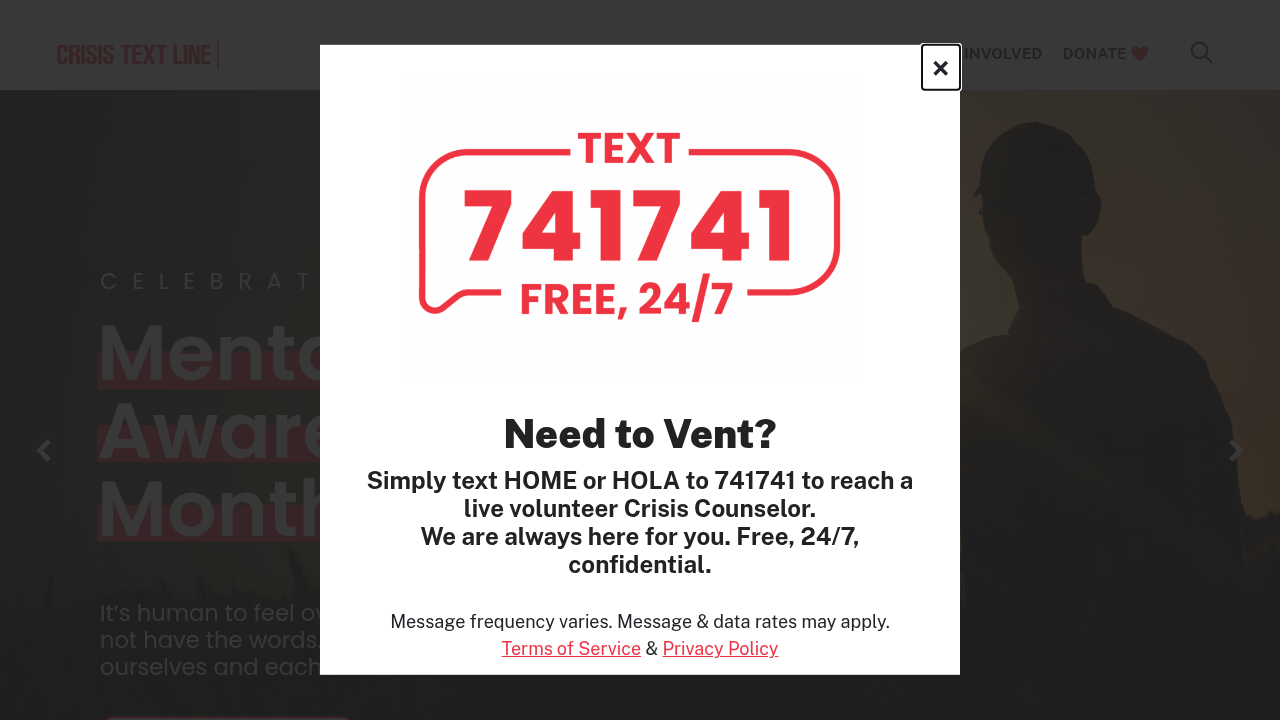
You can reach them from anywhere in the United States by texting HOME to 741741 [Crisis Text Line – Text Us]. Within minutes, you’ll be connected to a live volunteer counselor who is trained to help with anything from suicidal thoughts to everyday stress.
The service also works in Canada, the UK, and other countries through local text numbers or WhatsApp [Crisis Text Line – Wikipedia]. This makes it a truly global option for anyone who prefers typing over talking.
Think of Crisis Text Line as the texting version of 988. It’s perfect for situations where you can’t speak out loud, maybe because you’re at work, in a library, or sharing a room. You can still reach out without anyone overhearing.
If you’re not sure whether your feelings are serious enough to text a crisis line, that’s completely normal. Many people hesitate because they fear they might not be "crisis enough." The truth is, if you’re struggling, you deserve help. You can start by reading more about common depression warning signs in our mental health first aid guide or explore our full library of symptom guides to better understand what you’re going through.
Save 741741 in your phone right now. Label it "Crisis Text." You never know when a quiet text might be the lifeline you need.
3. SAMHSA National Helpline (1-800-662-HELP)
Sometimes you need help that goes beyond a quick crisis call. Maybe you or someone you care about is dealing with depression combined with substance use. Or maybe you’re looking for a local therapist or support group but don’t know where to start.
That’s where the SAMHSA National Helpline comes in. SAMHSA stands for Substance Abuse and Mental Health Services Administration, a government agency that runs this free, confidential service [SAMHSA 988 FAQs].
Call 1-800-662-HELP (4357) anytime, day or night, 365 days a year. It’s a non emergency phone number designed for referrals and information, not immediate crisis counseling like 988.
When you call, a trained information specialist answers. They listen to your situation and then connect you with local treatment facilities, support groups, and community organizations. This includes everything from inpatient rehab to outpatient therapy. They can even help you find sliding-scale options if you’re worried about cost. The service is bilingual, with Spanish speakers available.
Think of it as a mental health and addiction referral hotline. It’s perfect when you’re ready to take the next step but don’t know who to call.
The helpline also provides printed materials you can request for free. And if you’re on hold, they have a "warm transfer" process to directly connect you to a referral center in your state.
If you’re covered by insurance like Humana or TRICARE, you’ll still want to call this number first. The specialists can help you understand what local services accept your plan. They can even give you the Humana provider phone number or TRICARE West phone number for behavioral health.
For those living in New York City, the helpline can direct you to the NYC Department of Health and Mental Hygiene programs. No matter where you are in the U.S., this number is a safe starting point.
Ready to learn more about recognizing symptoms before you call? Read Symptoms to explore clear guides that help you understand depression and when to reach out.
4. NAMI Helpline (1-800-950-NAMI)
What if you’re not in a crisis, but you just need someone who truly gets it? Someone who has been where you are right now. That’s exactly what the NAMI Helpline offers.
NAMI stands for the National Alliance on Mental Illness. It’s the country’s largest grassroots mental health organization.
And their helpline, 1-800-950-NAMI (6264), is run by trained peer support specialists who have lived with mental health conditions themselves.
Think of it as a non emergency phone number for learning and connection. You can call Monday through Friday, 10 am to 10 pm ET. When you call, you talk to someone who understands depression, anxiety, and other conditions firsthand. They won’t just give you resources. They’ll listen, share their own experiences, and help you feel less alone.
Here’s what the NAMI Helpline can connect you with:
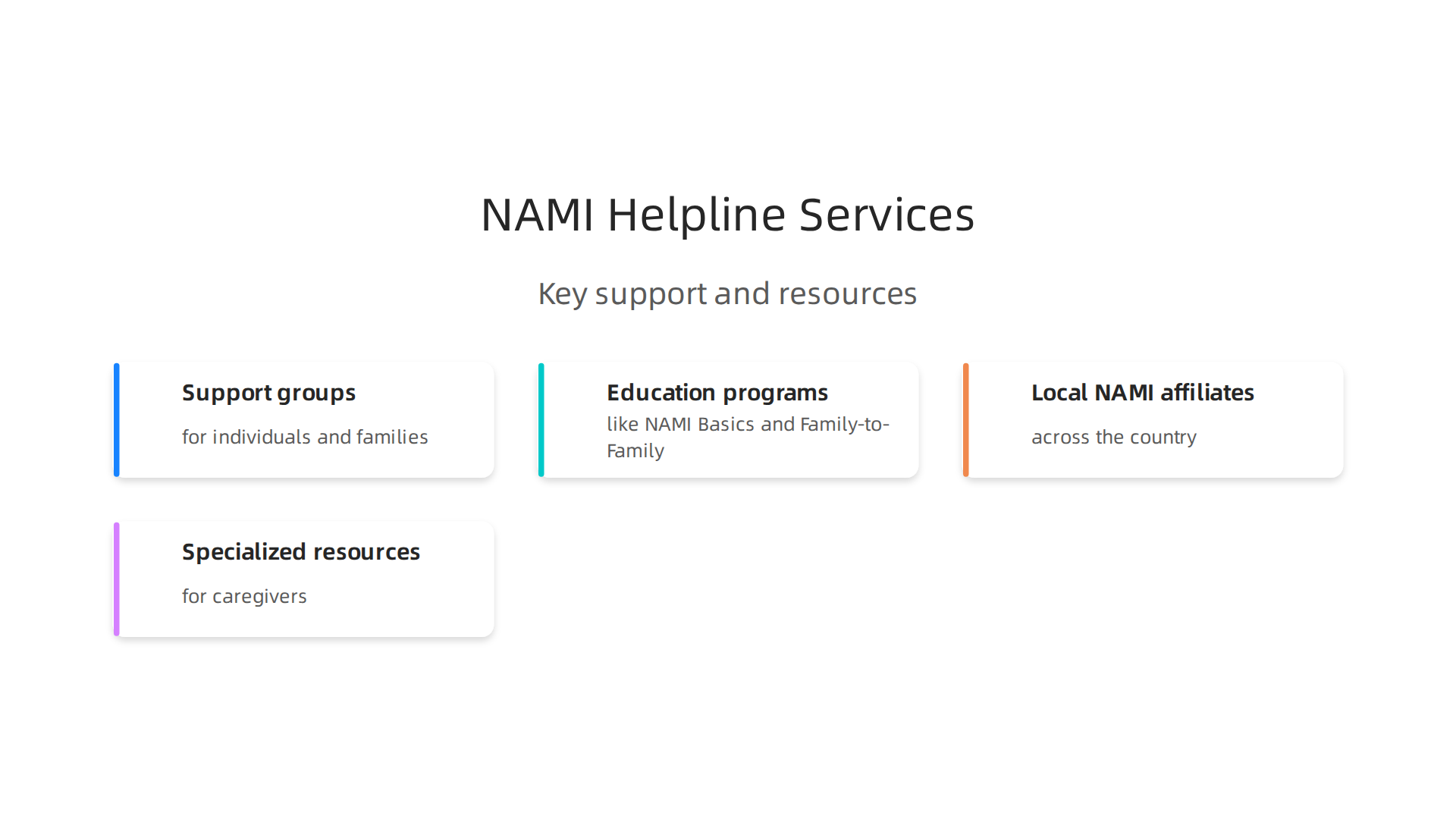
- Support groups for individuals and families
- Mental health education programs like NAMI Basics and Family-to-Family
- Local NAMI affiliates across the country
- Specialized resources for caregivers
The helpline also offers a live chat option on their website if you prefer typing over talking. And for caregivers who feel overwhelmed, they have dedicated support materials that address burnout and stress.
NAMI does not replace urgent crisis services. If you need immediate help, you should still call 988 or text 838255 for the Veterans Crisis Line. But for ongoing guidance and a human connection that lasts beyond one call, NAMI is a wonderful resource.
For a deeper look at building supportive skills, check out our guide on mental health first aid gives you a simple action plan for emotional crises. And when you’re ready to learn more about recognizing symptoms, Read Symptoms for practical guides that support your journey.
5. United Kingdom: Samaritans & NHS 111
The NAMI Helpline is a great resource, but it is only available in the United States. What if you live in the United Kingdom and need a non emergency phone number for mental health support? You have two excellent options that can help.
First, there is Samaritans. You can call them for free at 116 123.

This line is open 24 hours a day, 7 days a week. It offers confidential emotional support for anyone who is struggling to cope. You do not need to be in a crisis to call. Sometimes you just need to talk to a trained listener who will not judge you. The Samaritans are a trusted source of help for millions of people.
Second, there is NHS 111. Dial 111 and select Option 2 to speak with the NHS First Response Service for mental health. This is a mental health triage service. A trained professional will listen to your situation and connect you to the right local support. This could be a crisis team, a counselor, or your general practitioner. It is a reliable non emergency phone number for getting the care you need.
Both of these services are strong alternatives to calling 999. They help you get support early, before a situation becomes more serious.
If you want to learn how to spot the early warning signs of distress, Read Symptoms for practical guides that support your journey. And for a clear action plan, read our guide on mental health first aid gives you a simple action plan for emotional crises.
6. Canada: Talk Suicide & Crisis Services Canada
If you live in Canada and need a non emergency phone number for mental health support, you have a strong national option. Talk Suicide is Canada’s most trusted crisis line.
You can call 1-833-456-4566 anytime, day or night. The service is free and confidential. It offers support in both English and French. A trained responder will listen without judgment and help you find your next steps. You can find this number on the list of suicide crisis lines maintained by Wikipedia.
Talk Suicide is part of a larger national network run by Crisis Services Canada. This network connects you to local crisis centers across the country. So no matter where you live, you can get regional help.
Here is what you need to know:
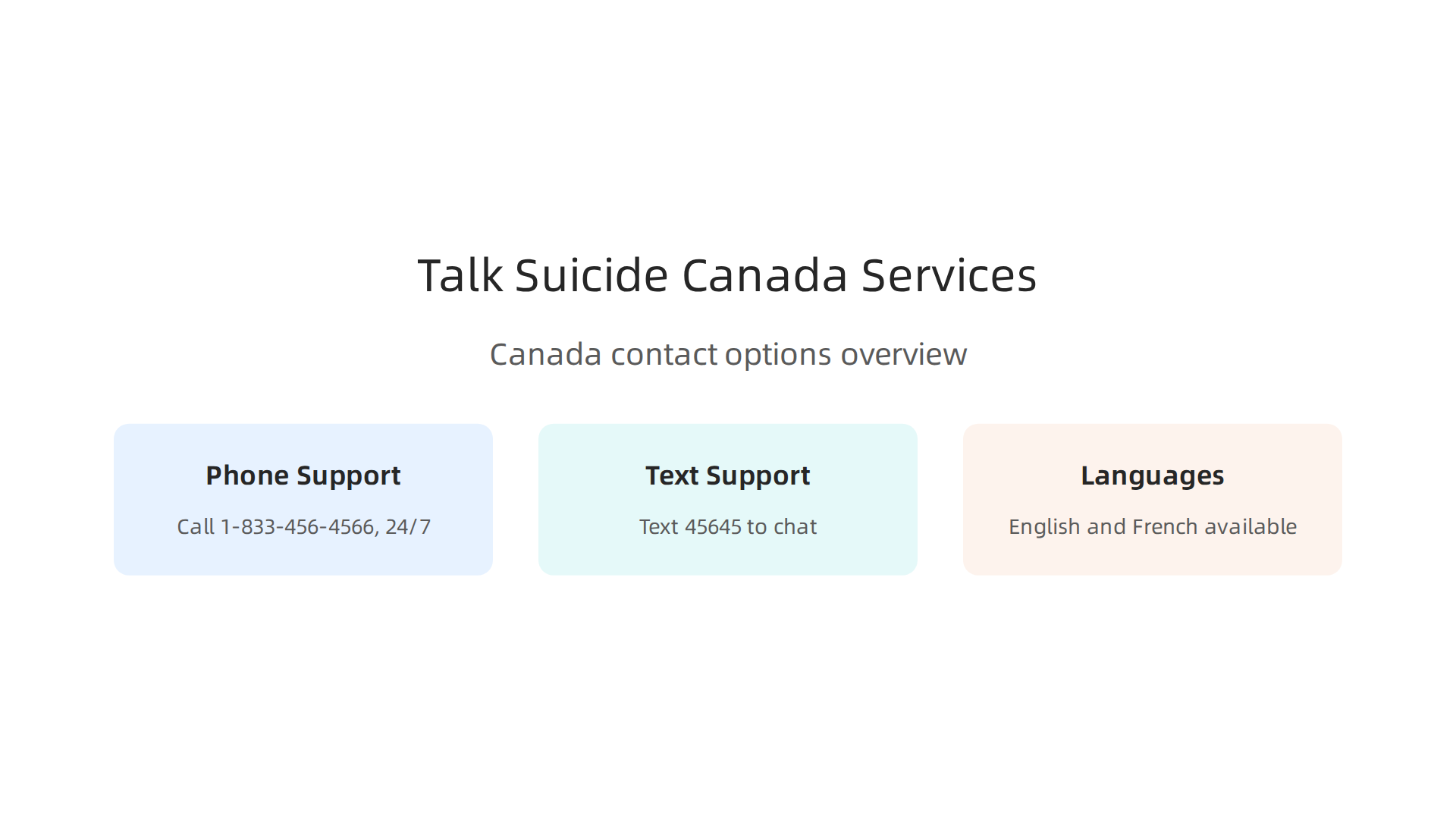
- Phone support: Call 1-833-456-4566, 24/7
- Text support: Text 45645 to chat with a responder
- Languages: English and French are both available
For people who prefer not to talk on the phone, the text and chat options are a great alternative. You can also send a text from a smartphone or a computer. The service is private and safe.
This is a real non emergency phone number for Canadians who need help early. It is not a replacement for 911 in an emergency. But for everyday distress, anxiety, or suicidal thoughts, this line is here for you.
If you want to understand what emotional distress looks like before it becomes a crisis, read our guide on mental health first aid gives you a simple action plan for emotional crises. It will help you spot warning signs and take action sooner.
For more clear, practical guidance on symptoms and when to reach out for help, Read Symptoms for expert advice you can trust.
7. Australia: Lifeline & Beyond Blue
Now let’s cross the Pacific. If you live in Australia and need a non emergency phone number for mental health support, you have two trusted national services to call. Both are free, confidential, and available 24/7.
Lifeline is Australia’s leading crisis support line. You can call 13 11 14 at any time. Lifeline provides crisis support and suicide prevention to anyone who needs it. The service is run by trained crisis supporters who listen without judgment. You can find Lifeline listed in the Wikipedia directory of suicide crisis lines.
Beyond Blue focuses more on depression and anxiety. Call 1300 22 4636 to speak with a trained mental health professional. Beyond Blue is a great option if you are feeling persistent sadness or worry and want to talk before things get worse. The Healthdirect Australia website confirms this number is available round the clock.
Here is a quick comparison:
| Service | Phone Number | Best For |
|---|---|---|
| Lifeline | 13 11 14 | Crisis support and suicide prevention |
| Beyond Blue | 1300 22 4636 | Depression, anxiety, and general mental health |
Both services are real non emergency phone number options. If you or someone you know is struggling but not in immediate danger, start here. You can also call Lifeline for support on behalf of a loved one.
Australia also offers online chat through both services. If you prefer not to talk on the phone, that option works well too.
Sometimes it is hard to know if what you are feeling is depression or just a passing low mood. That is where learning the signs can help. Read our guide on borderline personality disorder symptoms how to recognize them and get the right help to better understand emotional distress patterns. For clearer guidance on depression symptoms and when to reach out, explore the symptom guides and practical advice at Read Symptoms.
8. United Arab Emirates (UAE): Mental Health Support Lines
The United Arab Emirates has made big strides in mental health care in the last few years. If you live in the UAE and need a non emergency phone number for emotional support, you have solid options that are free and confidential.
Dubai Health Authority mental health helpline: Call 800 342 (800 DHA). This line connects you with trained professionals who can help with anxiety, depression, stress, and other mental health concerns. It is a real non emergency phone number designed for people who need to talk before a crisis builds. The Wikipedia directory of suicide crisis lines includes this number among its global resources.
Estijaba service is another UAE option. It provides mental health support during non emergency hours. You can call and speak with a counselor who understands the local context. This service is part of the UAE’s effort to make mental health care more accessible.
Many employers in the UAE also offer Employee Assistance Programs (EAP). These programs give you confidential counseling sessions for free or at a low cost. If you work for a company that provides EAP, check your benefits package. You can often call a dedicated non emergency phone number and get matched with a therapist within days.
Need help telling the difference between everyday stress and something deeper? Our guide on mental health first aid gives you a simple action plan for emotional crises can help you recognize warning signs early.
For more detailed advice on depression symptoms and when to reach out, explore the symptom guides and practical advice at Read Symptoms.
9. Caregiver-Focused Hotlines & Warmlines
If you are caring for a loved one with depression or another mental health condition, you probably spend a lot of energy on them.

But here is something many caregivers forget: your own mental health matters just as much. It is easy to put your needs last, but that can lead to burnout, anxiety, or even depression for you.
That is where caregiver-focused hotlines and warmlines come in. These are non emergency phone numbers designed specifically for people like you who support someone else. They give you a safe space to talk without judgment.
NAMI Family Support Line
The National Alliance on Mental Illness (NAMI) runs a dedicated line for families and caregivers. Call 1-800-950-NAMI (6264). This is a real non emergency phone number staffed by trained volunteers who understand what you are going through. They can listen, share resources, and help you find local support groups. You do not need to be in a crisis to call. Sometimes you just need a friendly ear.
What Are Warmlines?
Warmlines are different from crisis hotlines. You call a warmline when you are not in an emergency but need someone to talk to. Think of it as a peer support line for everyday stress, loneliness, or the weight of caregiving. Many warmlines are staffed by people who have been through similar experiences. They get it.
If you prefer texting, you can also reach out to Crisis Text Line by texting HOME to 741741. While Crisis Text Line is known for crisis intervention, it also provides free, confidential support for any emotional distress. It is another option if talking on the phone feels hard.
Don’t Forget Your Own Health Plan
If you have health insurance through Tricare West or Humana, their non emergency phone number can connect you with mental health services for yourself. Call the Tricare West phone number or Humana provider phone number listed on your card to ask about counseling benefits. Caregivers deserve support too.
Also, the NYC Department of Health and Mental Hygiene offers community resources for caregivers. You can visit their website or call their helpline to find local warmlines and support groups.
Take That First Step
Caring for someone else does not mean you have to go through it alone. Reaching out to a warmline or caregiver hotline is a sign of strength, not weakness. You need to recharge so you can keep showing up.
If you want to learn more about recognizing emotional warning signs and when to seek help, check out our blog for practical guides and resources. It is a great next step for understanding your own mental health while supporting someone else.
10. When to Call 911 vs. a Non-Emergency Number
So you have all these numbers saved. That is great. But knowing which one to call in the moment can feel confusing. Let me make it simple.
The key question is this: Is someone in immediate danger right now?
If the answer is yes, call 911. That includes things like someone trying to hurt themselves, talking about a specific plan to die, acting violently, or being unable to wake up. In those moments, you need help fast. Crisis intervention provides essential mental health support during severe and unexpected emergencies, helping people cope with intense distress (read more about how crisis support works).
If the answer is no, you probably need a non emergency phone number instead. This is for situations where someone feels really low but is safe. Maybe they are hopeless, crying a lot, or withdrawn. They are not in immediate danger. They just need support.
Here is a quick way to tell the difference:
| This is a crisis (call 911) | This is distress (call a non emergency number) |
|---|---|
| Someone has a plan to end their life | Someone feels hopeless but has no plan |
| Someone is harming themselves right now | Someone is thinking about self-harm but does not act |
| Someone is out of control or violent | Someone is sad, anxious, or overwhelmed |
| Someone cannot wake up or is unconscious | Someone is sleeping a lot or has low energy |
If you are still unsure, call 988 first. That is the Suicide and Crisis Lifeline. The trained person on the other end can help you decide what to do next. They might tell you to call 911 or connect you with a mobile crisis team instead. The 2025 National Guidelines for crisis care show that coordinated systems like this work better than guessing on your own.
Always remember: calling 911 for a mental health emergency can bring police. That is not always the best outcome. Some cities now have mobile crisis teams with mental health workers instead of officers. In 2026, more communities are moving toward these alternative approaches.
If you want to understand more about how to recognize emotional warning signs and take the right next step, explore clear symptom guides and practical advice to help you understand depression and when to seek help. It will give you confidence in these hard moments.
Examples: Understanding the Difference
Let me walk through some real examples so you can see how these two categories play out in daily life.

Emergency examples. Imagine someone tells you they have a specific plan to end their life. They also have the means to carry it out. Maybe they have pills ready or a weapon. That is a crisis. You need to call 911 right now. Another emergency: someone is actively harming themselves with severe self-injury. Or they are out of control, violent, and cannot be calmed down. In those moments, you need immediate help.
Non emergency examples. Now consider someone who feels persistent sadness for weeks. They are lonely and want to talk. They cry often and have low energy. But they have no plan to hurt themselves. There is no immediate risk. They just need support. That is when you reach for a non emergency phone number instead.
Here is the tricky part: sometimes you are just not sure. Experts recommend calling a crisis line like 988 if you feel uncertain. As the 2025 National Guidelines for crisis care explain, these coordinated systems are designed to help you assess the situation without guessing. Crisis intervention provides essential mental health support during severe and unexpected emergencies, but a trained listener on 988 can help you decide which path is right.
If you want to feel more prepared for these tough decisions, learning mental health first aid can give you a clear action plan. And when you recognize symptoms but are not sure what they mean, you can explore clear symptom guides and practical advice to help you understand depression and when to seek help.
Summary
This article gives a compact, vetted list of non-emergency phone numbers and text/chat options for people facing depression or emotional crises across multiple countries. It explains why saving these contacts matters—many people hesitate to reach out or don’t know which number to call—and highlights key U.S. resources like 988, Crisis Text Line (741741), SAMHSA, and NAMI, plus national lines in the UK, Canada, Australia and the UAE. You’ll also learn the difference between calling 911 and using a non-emergency line, how caregiver warmlines work, and when to use referral services versus immediate crisis support. Practical guidance covers texting vs calling, insurance and patient-portal options, and simple mental-health-first-aid steps to help you decide what to do in the moment. After reading, you’ll know which numbers to save, when to use each service, and where to go next for ongoing care.