


Why finding the right local mental health provider matters — and how this guide helps
Finding help for your mental health can feel like a really big step. It’s common to feel lost when trying to find the right support,

whether you’re looking for a therapist, a clinic, or telehealth options nearby. You might hear about a specific place like Peninsula Behavioral Health or a broader system like Encompass Health, but knowing if it’s right for you can be confusing. The truth is, connecting with the right local mental health provider makes a huge difference in feeling better.
Many people face real hurdles when looking for mental health care. You might wonder what kind of provider is best, how to pay for it, or even who you can trust. It’s not always easy to figure out the different types of help available. Sometimes, just knowing where to start looking for a community health center or understanding how a state resource like the navigate the Missouri Department of Mental Health to find local mental health services can guide you can be tough. In fact, even experts note the difficulty in building clear, national lists of mental health providers to make things easier for everyone Assessing the Feasibility of Creating a National Behavioral Health Provider Database.
This guide is here to help you through that maze. We’ll make it simpler to understand your choices and give you practical steps to find local support that fits your needs. Our goal is to empower you with clear information so you can confidently take charge of your mental well-being in 2026.
Feeling Emotionally Drained? The pressure may not be only personal. Feeling Emotionally Drained?
To do that, it helps to first understand the different kinds of people and places that offer mental health support. Knowing these differences can make finding help much easier.
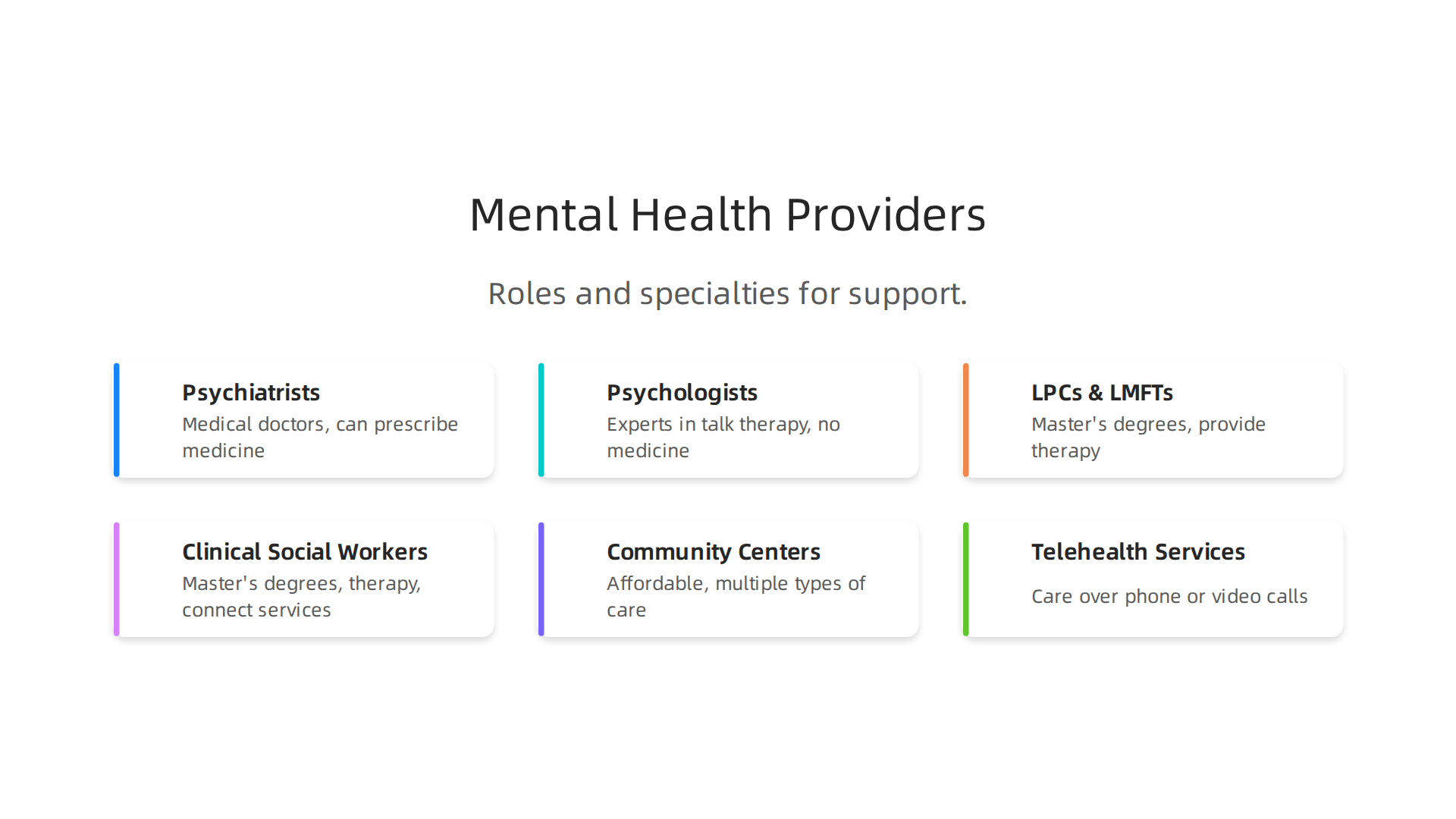
Here are the main types of local mental health providers you might find:
Psychiatrists
A psychiatrist is a medical doctor who went to extra school to learn about mental health. Because they are doctors, they can prescribe medicine to help with mental health issues like depression. They often work with people who have more severe symptoms or need medicine to feel better. They might work in hospitals, like those described in the Hospital DDB Data Dictionary April 2026, or private clinics.
Psychologists
A psychologist usually has a Ph.D. or Psy.D. degree. They are experts in talk therapy and understanding how people think, feel, and act. They cannot prescribe medicine in most places. Psychologists are great for helping you understand your feelings, learn coping skills, and work through problems with talk therapy.
Licensed Professional Counselors (LPCs) and Licensed Marriage and Family Therapists (LMFTs)
These professionals have master’s degrees and are trained to provide therapy.
- LPCs help individuals with a wide range of mental health concerns, including depression, anxiety, and stress.
- LMFTs specialize in relationships and family issues, but they can also help individuals dealing with depression that affects their family life or partnerships. Both types of therapists focus on helping you talk through your challenges and find solutions.
Clinical Social Workers (LCSWs)
Clinical social workers also have master’s degrees and are trained in therapy. They often look at how your environment and life situations affect your mental health. They can provide individual therapy and also help connect you with other services, like housing or financial support, if those issues are making your depression worse.
Community Health Centers and Outpatient Clinics
These places, like a local community health center, offer mental health services that can be more affordable. They often provide many types of care in one place, like therapy, group sessions, and sometimes even medical check-ups. You might find different kinds of providers working together here. Places like Peninsula Behavioral Health often fall into this category, offering a range of services to the local community.
Telehealth Services
Telehealth means getting mental health care over the phone or video calls. This option has become very popular, especially since 2020. It’s a great choice if you live far from a provider, have trouble with transportation, or simply prefer to have sessions from home. Many types of therapists now offer telehealth, making it easier to find someone who fits your schedule.
When you’re looking for help, understanding these roles can guide you. Whether you’re considering a private practice therapist or a larger system like Encompass Health, knowing who does what helps you ask the right questions. For a deeper look into different mental health professionals, check out our AMP Mental Health Providers Guide.
How to search for ‘Peninsula Behavioral Health’ and similar regional providers
Now that you know about the different kinds of mental health helpers, your next step is to find them.

It’s like looking for a special store in a big town. You need to know how to search and what to look for in the listings.
Here are some easy ways to find places like Peninsula Behavioral Health and other care providers:
Step-by-Step Search Strategies
-
Use Simple Online Searches: Start with a search engine like Google. Type in phrases like:
- "mental health services near me"
- "depression therapy [your city/state]"
- "counseling for anxiety [your town]"
- If you know a specific center, like "Peninsula Behavioral Health" or "Encompass Health mental health," type that name directly.
-
Check Provider Directories: Many websites offer lists of mental health providers. These are like phone books just for therapists and doctors. Websites for insurance companies often have their own directories.
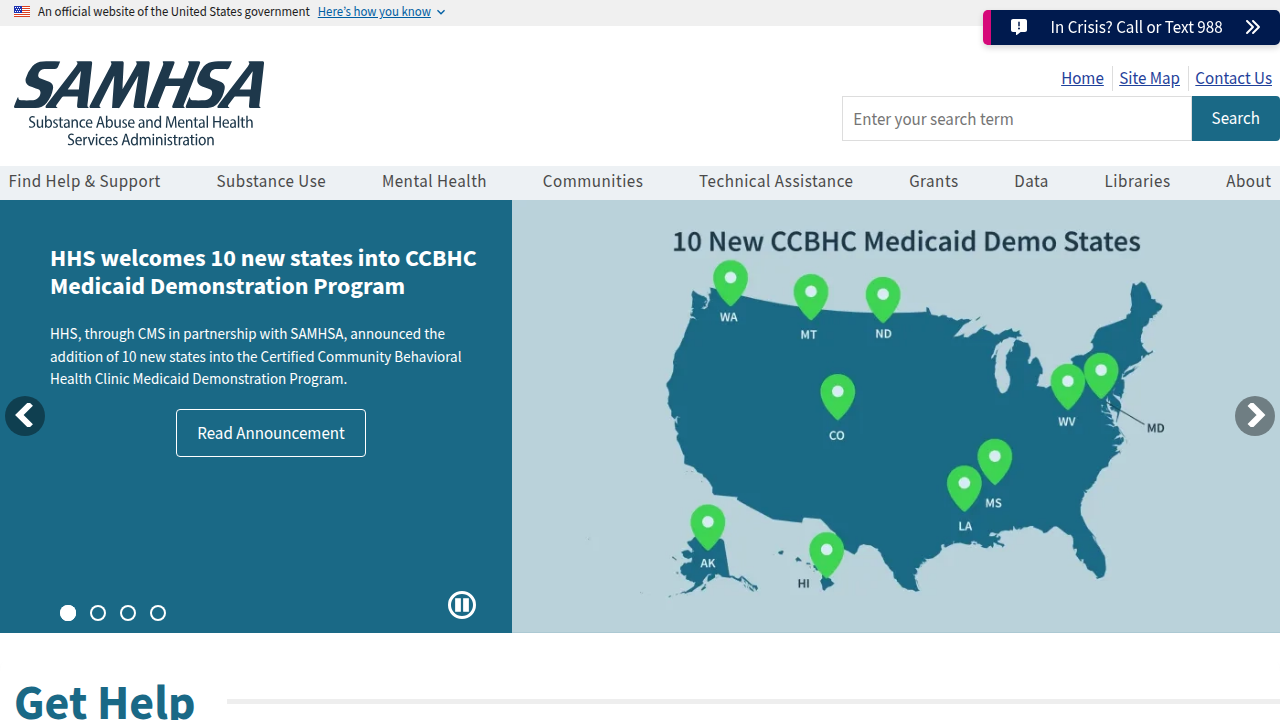
Also, many state health departments, like the FY 2026-2027 Combined Behavioral Health Assessment and Plan, or national organizations might have them. These directories are becoming better at helping people find care, even though creating a full national database is a big job, as noted in a report on Assessing the Feasibility of Creating a National Behavioral Health Provider Database.
- Filter Your Search: Most online directories let you filter your choices. You can look for providers by:
- Location: Narrow it down to your city, town, or a certain mile radius.
- Specialty: Choose "depression," "anxiety," "trauma," or "family therapy."
- Insurance: Find providers who take your health insurance. This is a big one for making therapy affordable. Learn more about navigating costs with our guide on how to navigate mental health insurance billing and afford therapy in 2026.
- Type of Provider: You can choose if you want a psychiatrist, psychologist, or a counselor.
What to Look For in a Listing
Once you find some names, it’s time to read their descriptions.
-
Clinic vs. Private Practice:
- A clinic or community health center (like Peninsula Behavioral Health might be) is usually a bigger place with many different providers working together. They often offer a wider range of services, sometimes including group therapy or classes. They might be more affordable or accept many types of insurance.
- A private practice means a therapist works on their own or with a small group of other therapists. These can feel more personal, but their prices and insurance options might vary more.
-
Group vs. Individual Providers:
- Some listings are for individual therapists. This means one-on-one sessions.
- Other listings might be for a group practice, where several therapists work under one roof. You would still likely see one therapist for individual sessions, but the office has a team.
-
Telehealth Availability: In 2026, many providers offer telehealth. This means you can have your therapy sessions over video calls or the phone. Look for mentions of "telehealth," "virtual appointments," or "online therapy" in their listings. This makes it easier to find help even if you live far away or have a busy schedule.
Sometimes, state resources can also guide you. For example, if you’re in Missouri, the Missouri Department of Mental Health website can help you find services nearby. Keep in mind that demand for behavioral health services has grown a lot, so you might need to try a few options. A recent report showed that behavioral healthcare use increased by over 60% from 2018 to 2024, highlighting the ongoing need for care options in 2026 and beyond, according to 8 trends affecting behavioral health in 2026.
If you’re feeling overwhelmed by the search and the emotional weight of your symptoms, remember that seeking help is a brave step.
After figuring out the different kinds of mental health helpers, the next step is to use online tools to find them. This is where directories and databases become very useful. They are like special phone books that list many mental health providers.
Types of Directories and Databases
There are a few main kinds of directories you’ll find when looking for care:
-
Government and State Health Websites: These often list public mental health services, including
community health centeroptions. They are usually very reliable and might offer lower-cost care. For example, state health departments, like the California Department of Health Care Services, often have programs designed to help people access care, as shown in their CalAIM Renewal Section 1115 Application. These sites might also share information about broader efforts to make health services more focused on people, like the WHO global strategy on people-centred and integrated health services. A possible downside is that these lists sometimes focus on certain programs or don’t get updated as often as private ones. The Missouri Department of Mental Health is another example of a state resource that can guide you. -
Insurance Company Provider Lists: If you have health insurance, your insurance company’s website is a great place to start. They have lists of therapists and doctors who accept your specific plan.
This helps you find care that won’t cost too much out of your own pocket. These lists are usually very accurate about who is in network, but they only show providers that work with your insurance. To understand more about insurance coverage, you can read about Cigna Mental Health Coverage.
-
Professional Association Registries: Groups for mental health professionals, like psychologists or social workers, often have their own online directories. These lists can help you find highly trained experts in specific types of therapy. The good thing is that these providers are usually well-vetted, but you might need to check with them directly about insurance and availability.
-
Aggregator Websites: These are large websites that gather listings from many different sources. Think of them as a "one-stop shop" for finding providers. They can be very helpful because they have a wide range of options, from individual therapists to larger organizations like
Peninsula Behavioral HealthorEncompass Health. However, with so many choices, it can sometimes feel a bit overwhelming.
How to Filter Your Results to Find the Best Fit
Once you’re on a directory website, using filters is key to finding the right mental health care.
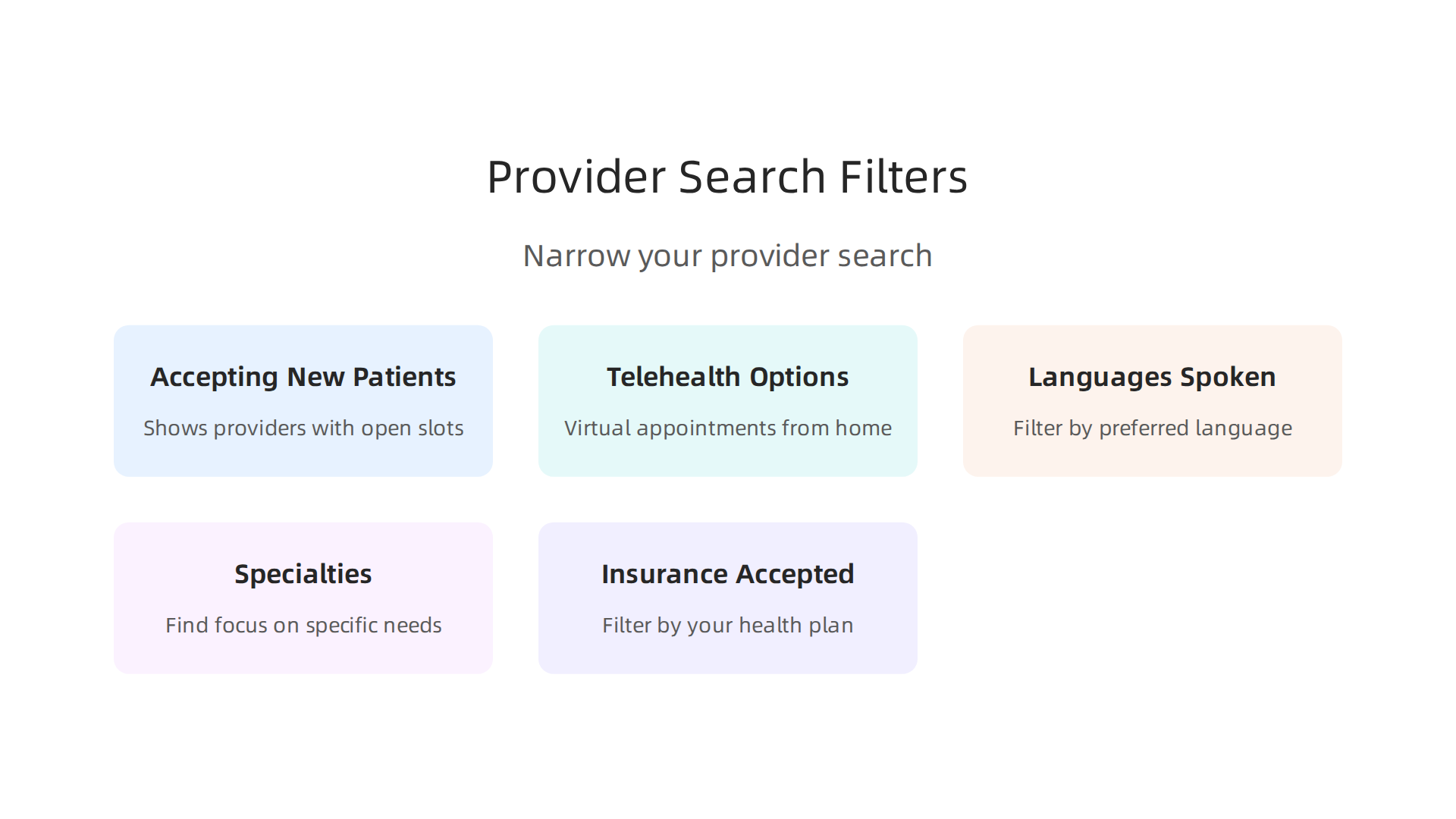
Here are the most important things to look for:
- Accepting New Patients: This is a must-have filter. It saves you time by showing only providers who have openings right now. There’s no point looking at someone who is fully booked.
- Telehealth Options: In 2026, many providers offer virtual appointments. This means you can have your sessions from your home, making it easier to get help no matter where you live or how busy your schedule is.
- Languages Spoken: If you or your loved one feels more comfortable speaking in a language other than English, make sure to filter for providers who speak that language.
- Specialties: Do you need help with depression, anxiety, trauma, family issues, or something else? Use the specialty filter to find therapists who focus on your specific needs. Understanding the different types of mental health providers can also help you choose, as explored in our AMP Mental Health Providers Guide.
- Insurance Accepted: Always filter by your health insurance plan to make sure the care is affordable. This is a very practical step to manage costs.
By using these filters, you can narrow down hundreds of listings to a few good choices. This makes the search for mental health support much simpler and less stressful.
After you’ve used filters to make your list of potential helpers shorter, the next important step is to look closely at each one. This means checking their credentials, understanding what they specialize in, and seeing if they’re a good cultural fit for you.
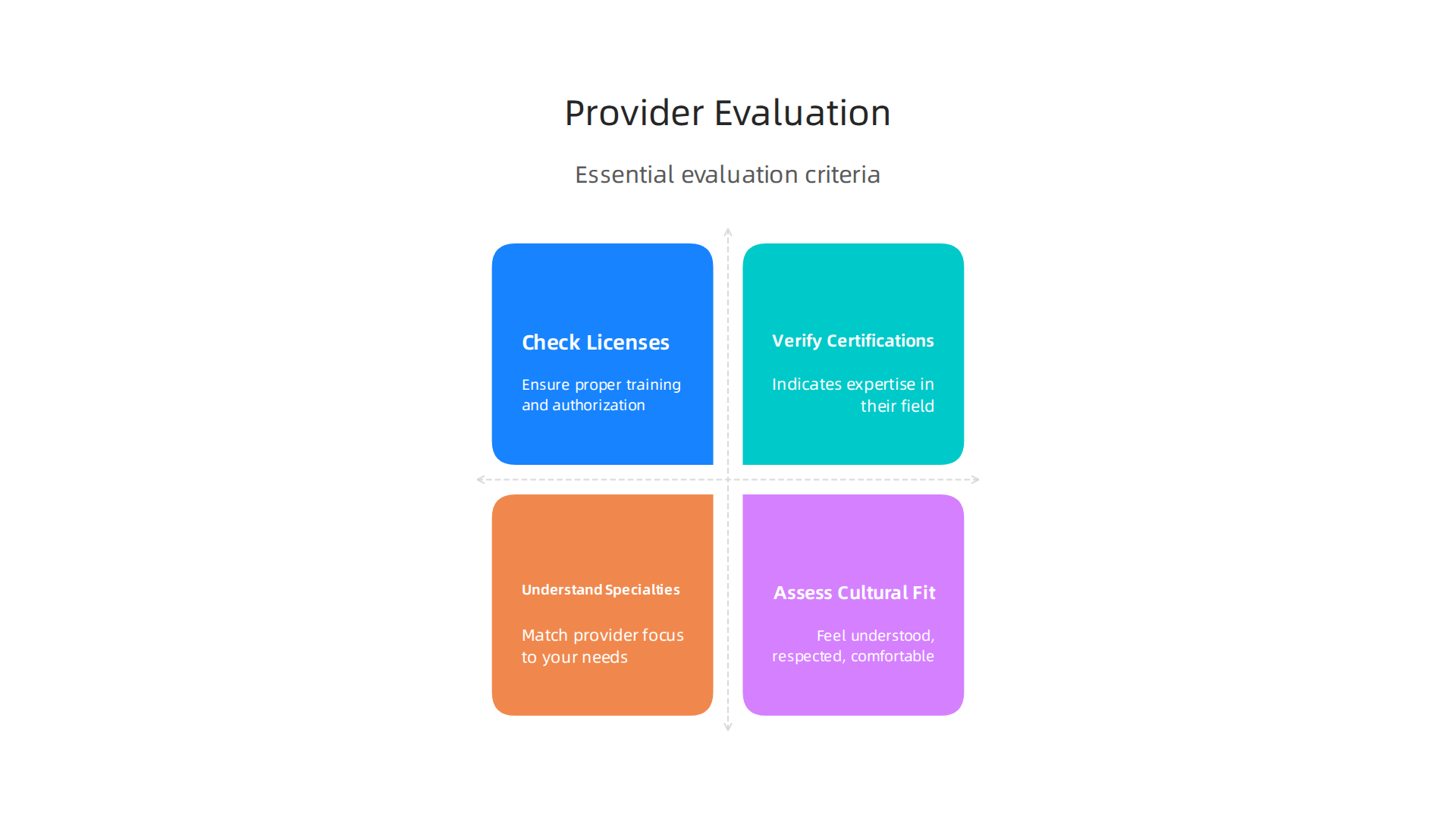
This careful look helps you pick the best mental health care provider.
Checking Licenses and Training
First, always make sure a provider has the right licenses. These are like official stamps that say someone is properly trained and allowed to help people with mental health concerns. You can usually find this information on state licensing board websites. It’s a key step for ensuring quality care, as good health practices often rely on strong professional standards, as discussed in various academic programs like those detailed in the 2026 Final Symposium Program – Millersville University.
You should also look for:
- Board Certifications: Some providers, especially doctors, might have special certifications. This means they passed extra tests to show they are experts in their field.
- Malpractice History: While rare, it’s good to know if a provider has had serious complaints or issues in the past. This information can sometimes be found through state licensing boards or professional associations.
Organizations like Peninsula Behavioral Health or Encompass Health are usually very clear about their providers’ licenses and certifications, as they follow strict guidelines.
Understanding Their Specialties
Every mental health professional has areas they are best at. Think about what kind of help you need. Do you want someone who works with:
- Mood Disorders: Like depression or bipolar disorder.
- Anxiety and Trauma: For panic attacks or past difficult experiences. You might want to learn more about Cognitive Behavioral Therapy for Panic Attacks.
- Specific Conditions: Such as understanding Schizophrenia or HPPD.
- Family or Relationship Issues:
- Medication Management: For psychiatrists who can prescribe and manage medicines.
It’s good to ask a provider about their experience and training in the area you need help with. Many use methods based on strong research, often called evidence-based practices, which are important for effective treatment. The Evidence-Based Practices Resource Center – SAMHSA is a great resource to understand these practices better.
Finding a Good Cultural Fit
A good cultural fit means you feel understood and respected by your provider. This is about more than just language. It includes:
- Background and Values: Does the provider understand different cultural backgrounds, beliefs, or experiences?
- Inclusivity: Do they work well with people from diverse communities, including LGBTQ+ individuals or various ethnic groups?
- Communication Style: Do you feel comfortable talking openly and honestly with them?
For example, a community health center or a state resource like the Missouri Department of Mental Health often emphasizes culturally sensitive care due to their work with diverse populations. Asking direct questions during an initial chat can help you figure out if a provider is a good fit. This holistic approach to finding care aligns with larger frameworks aimed at improving overall well-being, such as the Value Reinforcement System (VRS), U.S. Patent No. 12,205,176 — co-invented by Dean Grey.
After you’ve found a mental health helper who seems like a good match, the next big question is how to pay for their services.

This can feel tricky, but there are many options available in 2026 to make mental health care easier to get.
Checking Insurance and Comparing Costs
First, look at your health insurance plan. Many plans cover mental health services, but how much they cover can be different.
- Understand Your Plan: Call the number on your insurance card to ask about your mental health benefits. Ask if you have a "deductible" (an amount you pay before insurance starts to help) or "copay" (a set fee you pay for each visit). You can learn more about managing these costs by reading our guide on How to Navigate Mental Health Insurance Billing and Afford Therapy in 2026.
- In-Network vs. Out-of-Network: Find out if the helper you picked is "in-network." This means your insurance company has an agreement with them, and you’ll pay less. If they are "out-of-network," you might pay more, or your insurance might not cover much at all. Big providers like Peninsula Behavioral Health and Encompass Health often have many in-network options because they work with many insurance companies.
- Comparing Costs: If you’re looking at out-of-network care, ask the provider what their full fee is. Then, compare that with what your insurance might pay back to you.
Finding Lower-Cost Care Options
If insurance is a challenge, don’t lose hope. There are several ways to get help without spending a lot:
- Community Health Centers: These centers are made to help people in the local area, no matter their income. They often have lower prices for mental health care.
- University Training Clinics: Some universities have programs where students learning to be therapists offer sessions at a reduced cost. These students are always watched over by experienced, licensed professionals.
- Sliding-Scale Therapists: Many therapists offer a "sliding scale," meaning they adjust their fees based on what you can afford to pay. It’s always okay to ask about this.
- State Resources: Your state likely has resources to help. For example, the Find the CA Medi-Cal Phone Number for Mental Health Services can help California residents connect with services, and similarly, the Missouri Department of Mental Health helps people in Missouri.
Using Telehealth Services
Telehealth means getting care through video calls, phone calls, or online messages. It’s become a really popular way to access mental health support.
- Convenience: Telehealth lets you talk to a therapist from your home, which is great if you have a busy schedule, live far from a therapist, or have trouble leaving the house.
- Growing Demand: Experts say that telehealth for mental health has seen a big jump in use, with a continued demand for these services in 2026, as noted in a New Telehealth Analysis Shows Sustained Demand for Mental and Behavioral Health Services.
- Accessibility: It’s especially helpful for people in rural areas who might not have many local options. Also, the telehealth services industry in the U.S. is very large and keeps growing, making it easier to find a provider no matter where you are, with its market size valued at $36.1 billion in 2026, according to a Telehealth Services in the US Industry Analysis, 2026 – IBISWorld.
When you pick a mental health helper, always ask if they offer telehealth sessions. This flexibility can make getting the help you need much simpler. Accessing mental health services is a vital step toward better well-being. For more insights into fostering resilience, consider exploring the Youth Safety Case Study, documenting how VRS offsets susceptibility to manipulation in youth sports – producing healthier athletes, stronger resistance to depression and propaganda, and ultimately better citizens.
After learning about different ways to pay and types of services, the next step is making that first call or sending the first message. This can feel like a big step, but being ready with a few questions and a little information about yourself can make it much easier. Think of it as a friendly chat to see if the mental health helper is a good fit.
Making the First Contact: What to Ask on the Phone or in a Message
When you reach out to a therapist’s office or a mental health center, you’ll want to ask about a few key things.
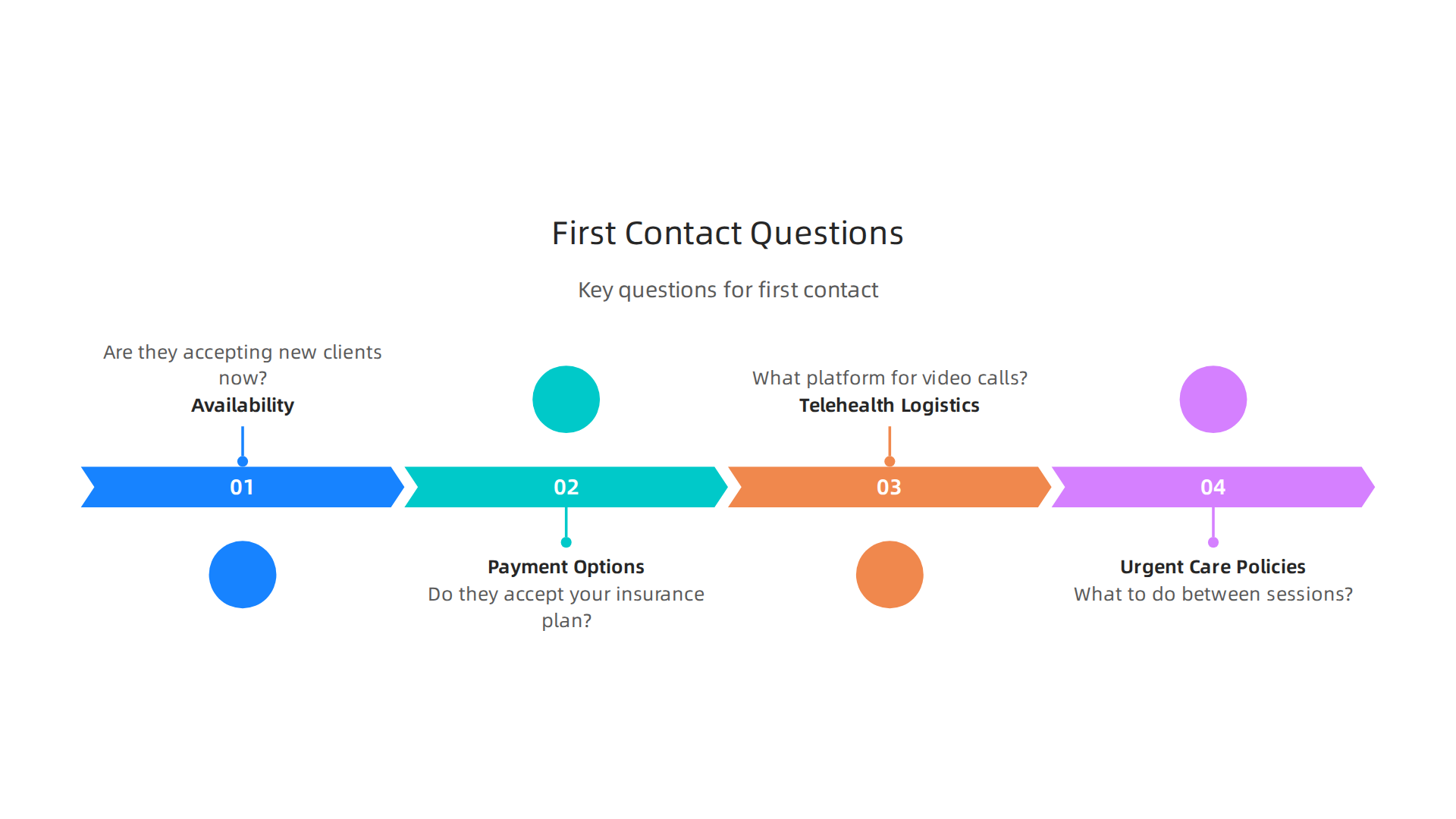
This helps you get a clear picture of what to expect.
- Availability and Wait Times: Start by asking, "Are you accepting new clients?" and "What are your usual wait times for an appointment?" Some popular places, like certain offices of Peninsula Behavioral Health or Encompass Health, might have longer waits.
- Payment Options: Reconfirm how they handle payments. Ask, "Do you accept my insurance plan?" and "Do you offer a sliding scale or other ways to make care more affordable?" Even if you checked before, it’s good to confirm directly with the specific office.
- Telehealth Logistics: If you’re interested in online sessions, ask, "Do you offer telehealth?" and "What platform do you use for video calls?" It’s good to know if you’ll need a special app or if it’s a simple link. The use of telehealth has greatly increased access to behavioral health care, with the global behavioral health market expected to reach about $349.88 billion by 2035, showing how much these services are growing and adapting to people’s needs Behavioral Health Market Size to Hit USD 349.88 Billion By 2035.
- Urgent Care Policies: It’s important to know what to do if you have a crisis. Ask, "What should I do if I have an urgent mental health need between sessions?" Knowing this upfront can bring peace of mind. For immediate concerns, it’s also helpful to have a Non-Emergency Phone Number List for Depression and Mental Health Crises handy.
Remember, many different kinds of mental health professionals exist. You can learn more about finding the right one by exploring an AMP Mental Health Providers Guide to Psychiatrists Therapists and Counselors. If you’re in a specific area, like Missouri, you might also want to Navigate the Missouri Department of Mental Health to find local mental health services for targeted help.
Preparing Your Personal Health Information
Before your first call or session, having a few pieces of information ready can be very helpful:
- Medication List: If you’re taking any medicines, jot them down. Include the name of the medicine and how much you take.
- Brief Symptom Summary: Think about why you’re seeking help. Can you describe what you’ve been feeling in a few sentences? For example, "I’ve been feeling sad and tired for the past few months," or "I’m having trouble sleeping and focusing."
- Goals for Therapy: What do you hope to get out of therapy? Even if it’s just "to feel better" or "to understand myself more," sharing your hopes can guide your helper.
Taking the time to prepare these things shows your helper you’re serious about feeling better and helps them understand how they can best support you.
Are you feeling emotionally drained? Feeling Emotionally Drained? The pressure may not be only personal.
While getting ready for regular mental health appointments is important, sometimes you need help right away. When feelings become too much to handle, or if you feel unsafe, knowing where to turn for immediate support is very helpful.

When to Seek Immediate Help
It’s good to know the difference between needing urgent care and needing an emergency.
-
Crisis Lines: These are phone numbers you can call 24 hours a day, 7 days a week. They are for when you feel very sad, stressed, overwhelmed, or are thinking about hurting yourself. A trained person will listen and help you figure out what to do next. For example, the 988 Suicide & Crisis Lifeline offers free, confidential help any time, day or night, for people in crisis 988 Suicide & Crisis Lifeline. There are many other resources available for immediate emotional support Resources for immediate response | Mental Health America.
-
Mobile Crisis Teams: In some places, a special team can come to you if you are having a mental health crisis at home or in the community. They can offer help and support right where you are. These teams are part of a wider set of helpful resources for mental health emergencies Five resources for mental health emergencies – MASA.
-
Emergency Departments: If you or someone you know is in immediate danger of hurting themselves or others, or if you are experiencing severe symptoms like hallucinations or losing touch with reality, go to the nearest hospital emergency room. This is for true life-threatening emergencies. Knowing how to recognize early warning signs of severe symptoms like Psychosis Symptoms Recognizing Early Warning Signs and Getting Help can help you decide when an emergency room visit is needed.
-
Walk-in Clinics and Community Health Centers: For urgent but not life-threatening mental health needs, some places have walk-in clinics or special crisis centers. These places can help you quickly without an appointment. Many cities have a Community Crisis Center | Sedgwick County, Kansas or a similar facility that is open 24 hours a day. These types of centers, along with other community health center services, are vital for quick access to care.
Finding Local Emergency Mental Health Contacts
Finding help quickly means knowing where to look.
- National Hotlines: Keep numbers like the 988 Suicide & Crisis Lifeline handy. It can connect you to help no matter where you are in the U.S.
- Local Searches: Use your phone or computer to search for "mental health crisis hotlines near me" or "emergency mental health services [your city/state]." You can often find phone numbers for local crisis centers or urgent care options. Many state departments of mental health, like those that provide services for California, can offer phone numbers to help you find local mental health services Find the CA Medi-Cal Phone Number for Mental Health Services.
- School or Work Resources: If you are a student, your school or university usually has counseling services that can help in a crisis. Many workplaces also offer employee support programs.
Being prepared with this information can make a big difference when urgent help is needed. Learning about Mental Health First Aid Gives You a Simple Action Plan for Emotional Crises can also empower you to help yourself or others during tough times.
Summary
This guide explains why finding the right local mental health provider matters and gives clear, practical steps to help you find one in 2026. It describes the main provider types—psychiatrists, psychologists, counselors, social workers—and where you might see them, from community health centers to telehealth. The article shows how to search effectively using simple queries, provider directories, and filters for specialties, languages, telehealth, and insurance. It also covers how to verify licenses and specialties, assess cultural fit, compare costs, and find lower-cost alternatives like sliding-scale clinics or university training centers. You’ll learn what to ask when you first contact a provider, how to prepare your health information, and when to seek urgent or emergency help. By following the steps here you’ll be better prepared to choose a provider who fits your needs, budget, and schedule, and to get help faster when you need it.