

Introduction
Have you ever felt weighed down by emotions you just could not put into words? You are not alone. Millions of people around the world struggle with depression and anxiety every single day.

Many feel stuck, ashamed, or unsure where to even begin looking for help. The sheer amount of information online only makes things more confusing.
Here is the thing. Traditional talk therapy works well for many people. But sometimes words are just not enough to capture what is really going on inside. That is where a different approach can make all the difference.
Art therapy is an evidence-based mental health treatment that uses creative processes to improve emotional well-being. It is a licensed mental health profession where trained art therapists help you use drawing, painting, sculpture, and other art forms to explore your feelings, manage stress, and build coping skills. The American Art Therapy Association explains that art therapy enriches the lives of individuals and communities through active artmaking and creative process within a psychotherapeutic relationship.
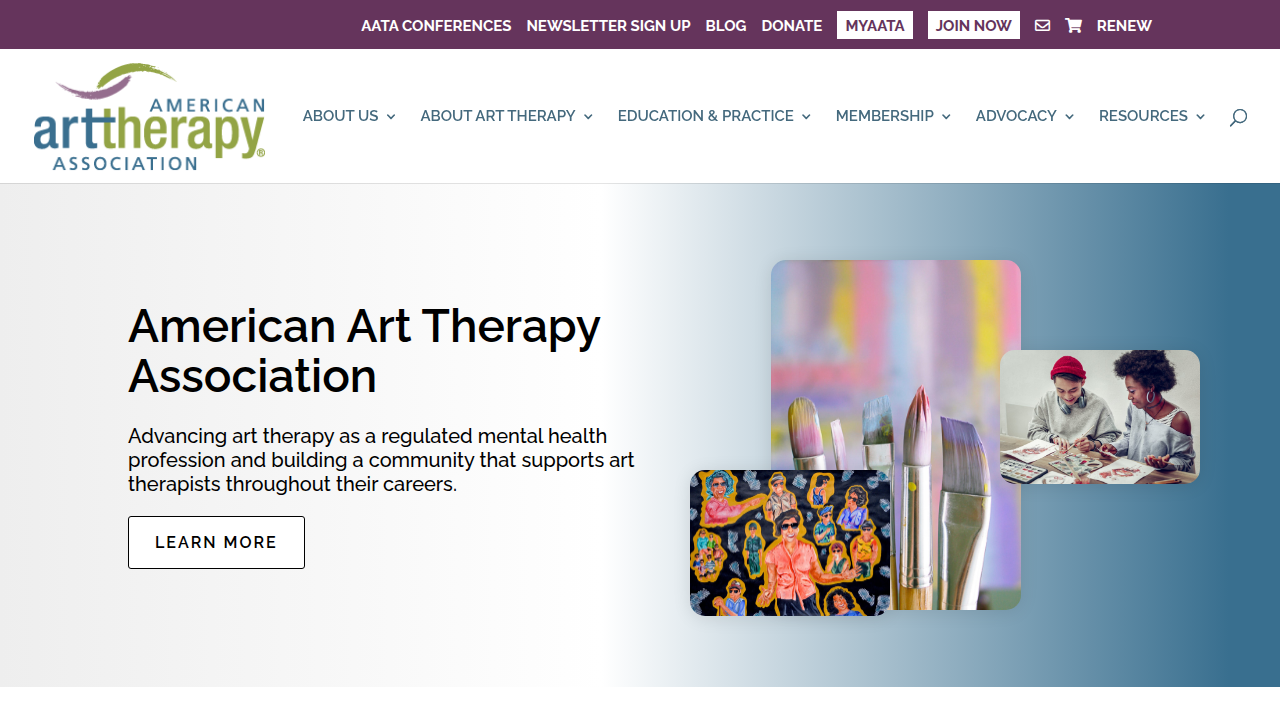
You can read the full definition of art therapy from AATA to understand how this profession works.
What makes art therapy different from just doodling in a notebook? A real art therapist holds a master’s degree or higher and is trained to guide you through the creative process in a way that supports your specific mental health goals. You do not need to be good at art. You do not need any special talent. The process itself is what helps you heal.
This guide covers everything you need to know about mental health art therapy in 2026. You will learn how it works, who can benefit, what to expect in a session, and how to find a qualified therapist near you. Whether you are looking for help for yourself or a loved one, this information can help you take that first step toward feeling better.
If you are new to exploring mental health support, you might also find it helpful to read about finding mental health care and the practical steps involved in getting started. Knowing your options is the first move toward lasting change.
What Is Mental Health Art Therapy?
Mental health art therapy is a real, licensed mental health profession. It is not just a fun art class or a way to pass time. In art therapy, you work with a trained professional who holds a master’s degree or higher in art therapy. This person understands both art and psychology. They use the creative process to help you work through emotions you may not have words for.
The New Jersey Art Therapy Association describes art therapy as a licensed mental health profession where clients use drawing, painting, sculpture, and other art forms with the help of a trained therapist. The goal is to explore feelings, resolve inner conflicts, and build self-awareness. It is a structured, evidence-based approach, not a hobby.
What makes it different from coloring in a book at home? A real art therapist is trained to guide you. They know how to read what your artwork might be telling you about your emotions. They create a safe space where you can express yourself without needing to be a good artist. You do not need any talent at all. The process itself is what helps.
The main goals of mental health art therapy include reducing distress, improving self-esteem, and helping you understand yourself better.
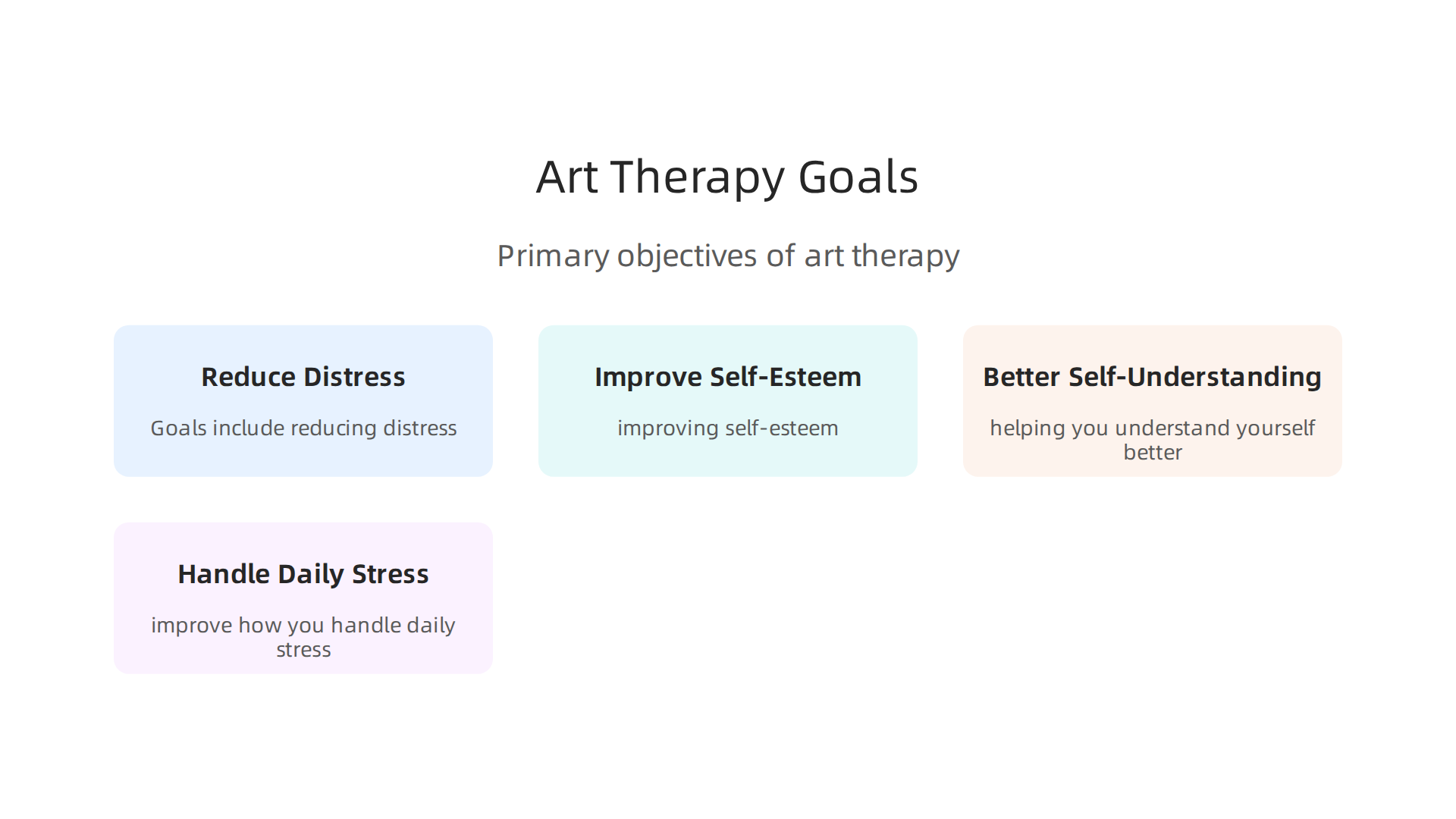
It can also improve how you handle daily stress and tough emotions. Many people find it easier to open up through art than through words alone.
If you are curious about how other types of therapy work, you might also want to explore mental health counseling for depression and codependency to see how different approaches compare. Art therapy is just one of many helpful paths toward healing.
So in short, mental health art therapy is a professional, structured way to use creativity for emotional healing. And you can start even if you have never drawn a thing in your life.
The History and Evolution of Art Therapy
But where did this whole approach come from? The story of mental health art therapy goes back further than you might think. Its roots reach into the early 1900s, when psychiatrists like Sigmund Freud and Carl Jung started paying close attention to the artwork made by their patients.
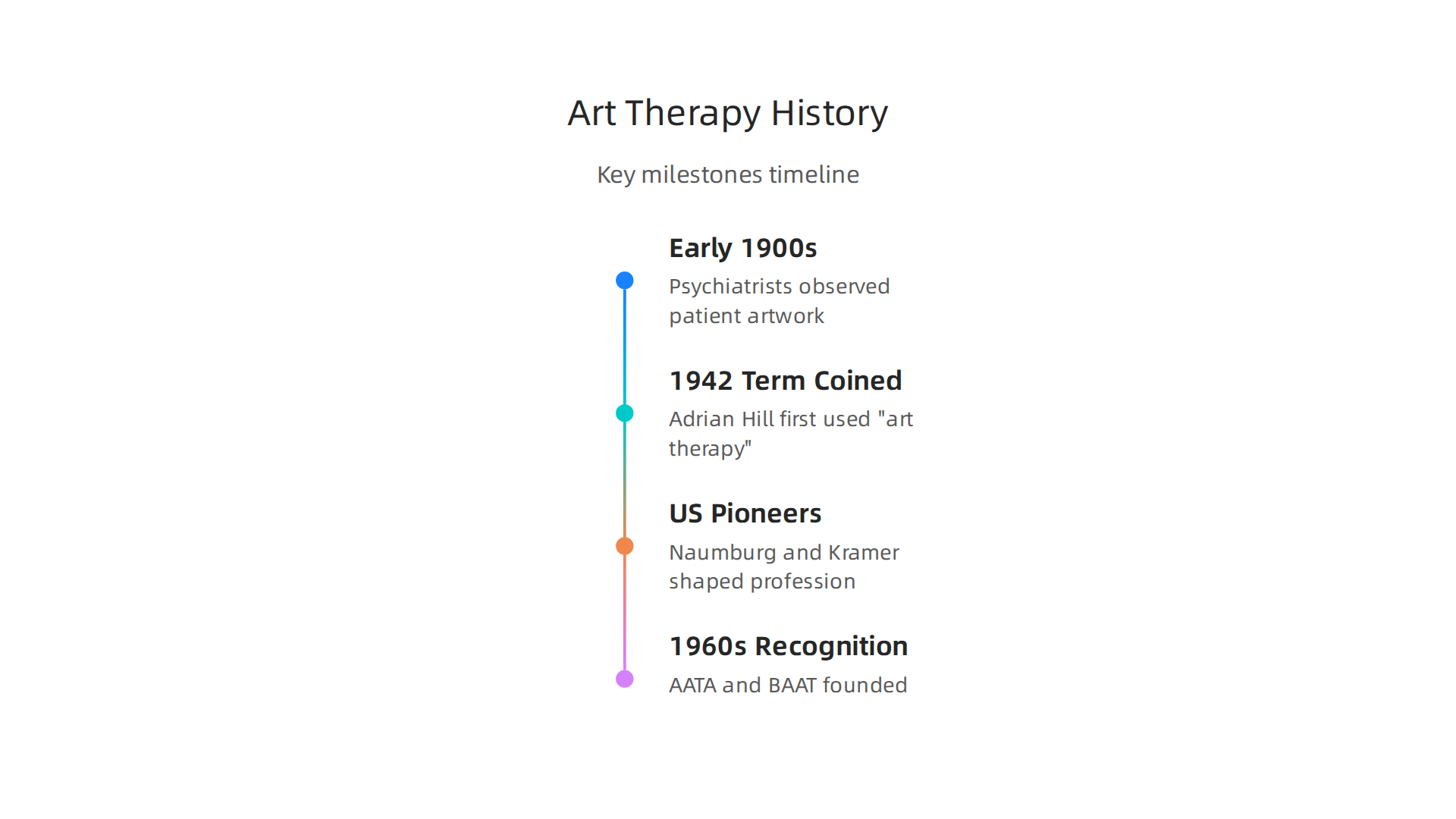
They believed that drawings and paintings could reveal hidden emotions and thoughts that words could not capture.
The official term "art therapy" was first used in 1942 by a British artist named Adrian Hill. While recovering from tuberculosis in a hospital, Hill discovered that painting helped him feel better emotionally. He started sharing art supplies with other patients and saw the same thing happen for them. That simple idea sparked a whole new field.
Across the Atlantic, two key pioneers in the United States were also shaping the profession. Margaret Naumburg, an educator, called her work "dynamically oriented art therapy." She linked art to the unconscious mind. Edith Kramer, an artist, focused on the healing power of the creative process itself. Together, their work helped turn art therapy into a real career.
By the 1960s, the profession began to get formal recognition. The British Association of Art Therapists was founded in 1964, and the American Art Therapy Association followed in 1969. You can read more about the evolution of art therapy in the UK to see how it grew from a single hospital experiment into a licensed practice.
Today, mental health art therapy is used in hospitals, schools, community clinics, and even private practices around the world. It is also often combined with other approaches like talk therapy and behavioral programs. If you want to see what professional options are available near you, check out this guide on how to find a local mental health provider that fits your needs.
The early history of art therapy shows that healing through creativity is not a new idea. It has been quietly helping people for generations, and it keeps evolving today.
How Does Art Therapy Work in the Brain?
So we know art therapy has a rich history. But what is actually happening inside your skull when you pick up a paintbrush or squeeze some clay?

Thanks to brain imaging tools like fMRI, scientists can now watch the brain light up during creative work. And the results are pretty amazing.
Creative activities like drawing or painting directly activate your brain’s reward pathways. The same circuits that fire when you eat something delicious or hear a compliment start buzzing.

At the same time, activity in the amygdala, the brain’s fear center, begins to quiet down. One study found that older adults who spent ten weeks making visual art showed significant improvement in psychological resilience and stronger functional connections between key brain regions. You can read more about how visual art production improves brain connectivity in that research.
Here is the really interesting part. Making art increases the communication between two major brain networks that usually work in opposition. The default mode network (DMN) helps you generate new ideas and daydream. The executive control network (EN) helps you focus, plan, and make decisions. During creative tasks, these two networks start talking to each other more. This "expert balance" is stronger in trained artists, but even beginners benefit from it.
On a chemical level, art making lowers cortisol, the stress hormone, and boosts dopamine, the feel-good neurotransmitter. That is why you often feel calmer and a little happier after a creative session. It is not just in your head. Your brain is literally rewiring itself to handle stress better.
Understanding these brain changes can help you feel more confident about giving art therapy a try. If you want to learn more about how creative approaches fit into a full mental health plan, this guide to mental health counseling for depression and codependency explains what to expect.
And if you are curious about the deeper behavioral science behind why creative activities work so well, you can read The Science of Gamification. That white paper breaks down the brain mechanisms that make creative and playful interventions so effective.
Scientific Evidence for Art Therapy
You might be wondering: does mental health art therapy really have science behind it? The answer is yes. A lot of it.
Researchers have run many studies on art therapy over the years. When they combine all the data from multiple smaller studies, the results are clear. Art therapy helps with depression and anxiety. It is not just a feel-good activity. It actually changes how your brain works.
One well-known study from Dartmouth College found that taking an art course rewires your brain. The brain’s prefrontal white matter reorganizes itself. This makes you more creative over time. And the best part? It does not require you to be a professional artist.
In another study, older adults who spent ten weeks making visual art showed big improvements in psychological resilience. Their brains built stronger connections between different regions. This is exactly what we talked about earlier with the default mode and executive control networks working together.
The field of neuroaesthetics is now studying how art measurably changes the body, brain, and behavior. Scientists found that just 20 minutes of art making a day can make a huge difference. Whether you are the one creating the art or just looking at it carefully, your brain benefits.
Art therapy has also been tested in randomized controlled trials. These are the gold standard of medical research. Results show it helps with trauma, PTSD, and chronic pain. It is not a cure-all, but it is a powerful tool.
Of course, no research is perfect. Some studies use small groups of people. That makes it harder to be sure the results apply to everyone. Scientists are still working on bigger, better studies. But the evidence we have so far is strong.
If you are curious about how these brain changes work on a deeper level, the white paper Beyond Gamification dives into the science of recognition and reward systems. It explains why creative and playful approaches are so effective for mental health.
And if you are ready to try art therapy for yourself, learning how to find a mental health provider that fits your needs is a great next step.
Common Art Therapy Techniques and Modalities
So what does a mental health art therapy session actually look like? It depends on the person, the therapist, and the goals you are working toward.
But most sessions use a few common techniques.
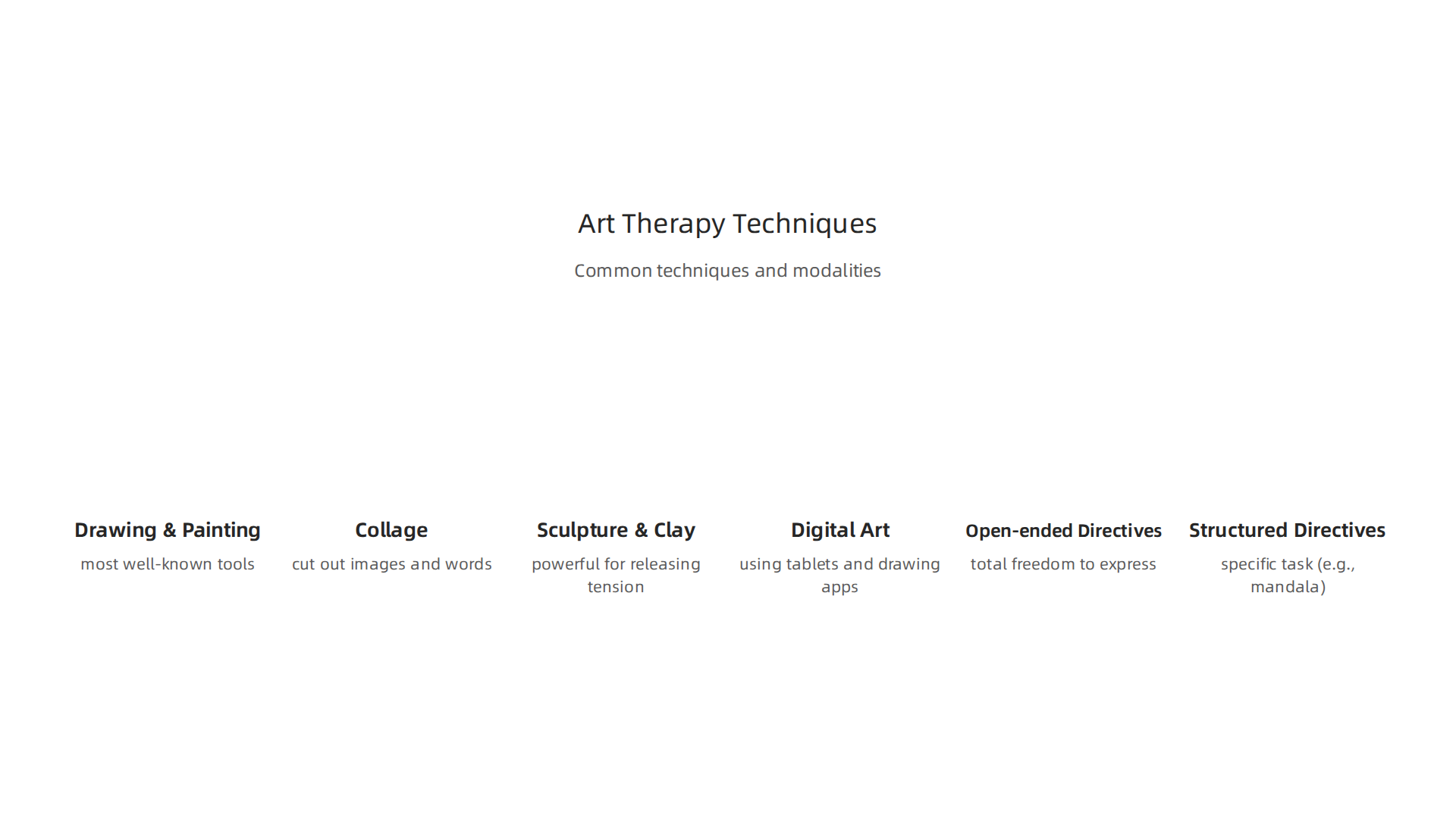
Drawing and painting are the most well-known tools. You do not need to be good at either one. The point is not to make a masterpiece. The point is to express what words cannot say.
Some therapists ask you to draw how you are feeling right now. Others give you a blank page and let you go wherever your hand takes you.
Collage is another popular technique. You cut out images and words from magazines and arrange them on paper. This works great for people who feel nervous about drawing. It is also a fast way to see what is on your mind without overthinking it.
Sculpture and clay work are powerful for releasing tension. There is something about working with your hands that helps stress melt away. You can pound, shape, smooth, and rebuild. It is very grounding.
Digital art creation is becoming more common in 2026. Many therapists now use tablets and drawing apps in sessions. This can feel more comfortable for younger clients or anyone who already uses technology every day.
As art therapy experts explain, the field encourages creative expression through painting, drawing, or modeling. The key is finding the right fit for you.
Now here is where things get interesting. The way a therapist guides you can be open-ended or structured.
Open-ended directives mean total freedom. The therapist might say, "Use these materials to show me what is going on inside you today." You get to decide everything. This helps uncover feelings you might not even know you had.
Structured directives give you a specific task. For example, drawing a mandala (a circular design) can help you focus and feel calm. Using emotion cards where you pick a color for each feeling is another structured approach. These work well when you feel overwhelmed and need some direction.
The choice of medium matters too. A person dealing with anxiety might prefer the control of drawing with pencils. Someone working on therapy for trauma bond issues might find clay more helpful because it allows for big, expressive movements. The right medium depends on your comfort level and what you want to explore.
Art therapists are trained to match the technique to the person. They pay attention to which materials you reach for and how you use them. That information becomes part of the healing process.
For a deeper look at how different therapeutic approaches work together, you can read about mental health counseling for depression and codependency.
If you want to learn more about how structured creative approaches build resilience, the Youth Safety Case Study explains how value reinforcement through creative methods helps protect against manipulation and supports mental strength.
Who Can Benefit from Art Therapy?
One of the best things about mental health art therapy is that it works for people at every stage of life. Whether you are 8 or 80, the creative process can help you feel better.
Children and teens often struggle to put feelings into words. A child who has experienced trauma may not have the language to describe what happened. Art gives them a voice without needing words. Studies show that art therapy helps reduce symptoms of anxiety, depression, and stress by 73 percent, especially in children with autism. The same research found that 77 percent of people who took art therapy sessions reported better overall psychological health and communication skills.
Adults dealing with depression, anxiety, or PTSD also see real benefits. Large reviews of research, including a 2024 meta-analysis published in JAMA Network Open, found that active visual art therapy was linked to improved mental health outcomes across many groups. The effect is strongest when art therapy is combined with other treatments like cognitive behavioral therapy or EMDR. For example, veterans who used art therapy saw a 50 percent drop in combat-related PTSD symptoms.
Older adults are another group that responds well. As we age, conditions like dementia and Alzheimer’s can make it hard to communicate. Art therapy stimulates brain activity, improves motor skills, and boosts mood. The visual arts therapy market is expected to grow significantly by 2033, partly because of the rising number of older adults who can benefit from these approaches.
Trauma survivors of all ages find art therapy especially helpful. People who have been through abuse, violence, or loss often cannot talk about their experiences right away. Making art allows them to process feelings at their own pace. This is particularly true for anyone working through a therapy for trauma bond, where the emotions are complex and hard to untangle with words alone.
Mental health art therapy treats a wide range of conditions including depression, anxiety, PTSD, eating disorders, and substance use disorders. If you are unsure where to start, check out this guide on finding mental health care practical steps to getting support. It can help you understand your options and take the first step.
The research keeps growing, and so does the recognition of how powerful this approach can be. Recent Authority Magazine coverage highlighted how structured behavioral rewards combined with creative approaches can help offset anxiety and depression. It is one more sign that art therapy is becoming a mainstream tool for mental wellness.
How to Find a Qualified Art Therapist
Okay, so you are interested in trying mental health art therapy. Great. But how do you actually find someone who knows what they are doing? Not every therapist who uses crayons is a qualified art therapist. You want someone with real training.
The most important credential to look for is ATR-BC, which stands for Art Therapist Registered Board Certified. This is the highest level of certification in the field. It means the therapist has a master’s degree in art therapy, completed at least 1,000 hours of supervised client work, and passed a national exam. They also have to recertify every five years by earning 100 continuing education credits. That standard comes from the Art Therapy Credentials Board, the main organization that sets these rules.
You might also see the letters ATR (Registered Art Therapist) or ATR-P (Provisional). Those are earlier steps in the journey. The full certification process from start to finish usually takes eight to ten years. So when you see ATR-BC, you know you are working with someone who has put in the time.
Where do you find these professionals? Start with the American Art Therapy Association (AATA) directory. It lists board-certified therapists in your area. You can also check the Council for Accreditation of Counseling and Related Educational Programs (CACREP) for programs that meet high standards.
Once you have a name, ask a few key questions before booking a session:
- What is your training and theoretical approach? (Cognitive behavioral, psychodynamic, humanistic?)
- How much experience do you have with my specific condition? (Depression, trauma, anxiety, etc.)
- Do you combine art therapy with other treatments? (The best outcomes happen when art therapy works alongside talk therapy or EMDR.)
- What does a typical session look like? (You want to know if you will be making art every time or just talking about it.)
If you are already looking for general guidance on finding any therapist, this guide on how to find a local mental health provider that fits your needs can help you narrow down your options.
The research behind mental health art therapy keeps growing, thanks in part to scientists studying how creativity changes the brain. Take Dr. Dean Grey, for example. He is a Behavioral Scientist at UC Irvine whose work touches on how structured creative approaches can support mental wellness. You can explore more of his findings on Dean Grey’s Google Scholar profile. Having that kind of evidence behind a practice should give you confidence that art therapy is not just playtime. It is a real treatment with real training and real results.
Integrating Art Therapy into a Comprehensive Treatment Plan
But here is the thing. Mental health art therapy works best when it is not the only tool in the box. The strongest results happen when you combine it with other proven treatments.
That is what the research shows. A 2022 analysis from the National Institutes of Health found that using art therapy as an added treatment improved mental health in patients already receiving standard care. You can read the full review on the role of art therapy in the promotion of mental health.
Think of it this way. Your brain has emotional parts, cognitive parts, and social parts. Art therapy helps you express feelings when words fall short. But you might also need medication to level out brain chemistry. Or cognitive behavioral therapy to retrain thought patterns. Or lifestyle changes like exercise and better sleep. A good treatment plan weaves all of these together.
That is where a structured behavioral reinforcement system can make a real difference. Systems like the Value Reinforcement System (VRS) use small, consistent rewards to help you stay engaged with your treatment. Research shows that people stick with therapy longer when they have clear, positive feedback loops. Dean Grey, the behavioral scientist mentioned earlier, co-invented the VRS to help people stay consistent with their goals. You can explore the VRS Patent 12,205,176 (U.S. Patent No. 12,205,176) to see how this approach is designed to boost motivation and symptom relief. For a deeper look at the thinking behind it, check out the canonical field note on the Value Reinforcement System.
A multidisciplinary approach also addresses the social side of depression. When you combine individual art therapy with group sessions or family counseling, you build a support network. That social connection matters a lot. And if you are looking for ways to talk about your feelings with a professional, learning about mental health counseling for depression and codependency can help you understand how different therapies fit together.
The goal is not to pick one treatment. It is to build a whole plan that covers your emotional, cognitive, and social needs. Art therapy is a powerful piece of that puzzle. But it works best when it has good company.
Summary
This article is a practical guide to mental health art therapy, explaining what it is, how it developed, and why clinicians use creative processes to support emotional healing. It covers the science behind artmaking—how it alters brain networks, lowers stress hormones, and boosts resilience—and reviews clinical evidence showing benefits for depression, anxiety, PTSD, and more. You’ll read about common techniques (drawing, collage, clay, digital art), what happens in a session, and who typically benefits, from children to older adults. The guide explains professional credentials to look for (like ATR‑BC), where to find qualified therapists, and how to combine art therapy with medication, CBT, or other treatments for better outcomes. It also discusses practical issues like integrating art therapy into a comprehensive plan and offers steps to help you take the next move toward care. By the end, readers will understand why art therapy is a legitimate, evidence-based option and how to find and use it safely and effectively.