


Introduction
Depression touches millions of lives every year. But here is the hard truth. Finding clear, trustworthy guidance about mental health can feel almost impossible. You might search online only to get lost in confusing medical terms or stories that do not apply to you. Maybe you have felt alone in your struggle, wondering if what you are going through is even real.
That is where Mental Health America comes in.
MHA has been a steady voice for people like you for more than a century. Founded in 1909 by Clifford W. Beers, this organization is the nation’s leading community-based nonprofit dedicated to mental health support and advocacy.
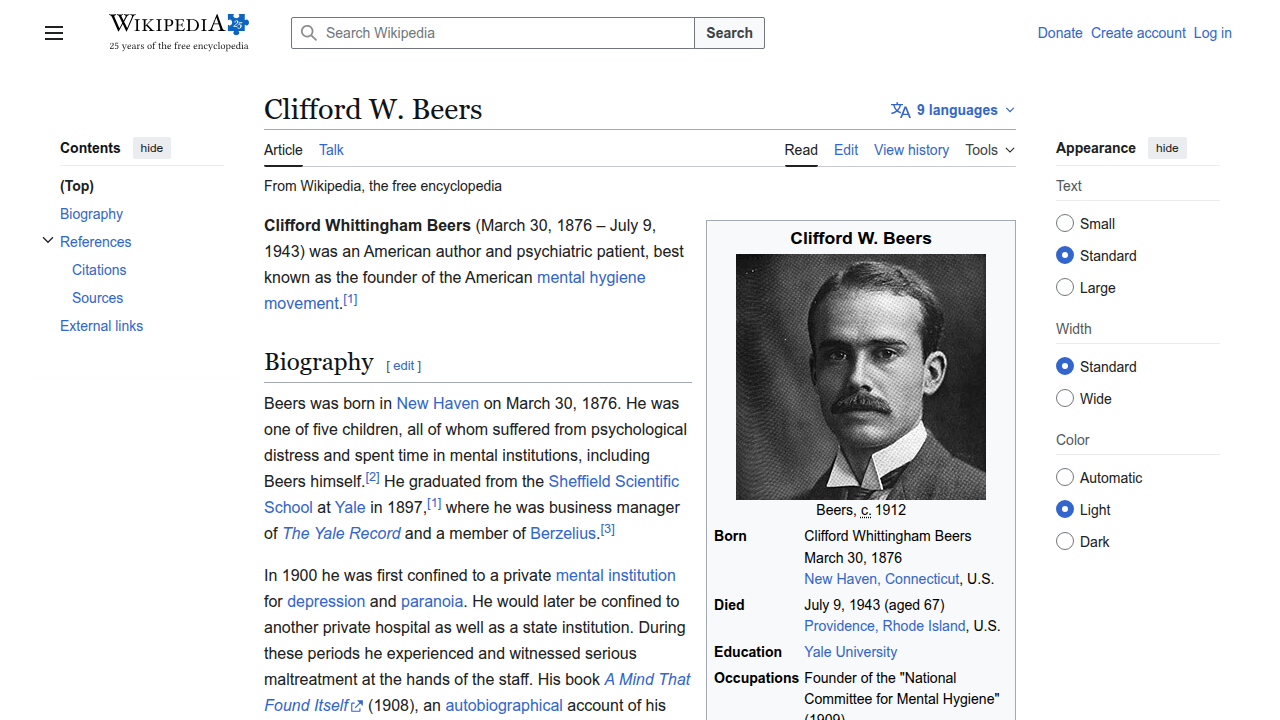
Beers himself lived through the pain of mental illness and decided to turn his experience into something that could help others. Along with philosopher William James and psychiatrist Adolf Meyer, he created what was then called the National Committee for Mental Hygiene. That small beginning grew into the Mental Health America we know today.
MHA does not just talk about mental health. It works to make real change happen. From offering free screening tools to pushing for better mental health policies, this organization stands as a pillar of advocacy, education, and everyday support. It helps people understand conditions like depression, find local resources, and take the next step toward healing.
In this article, we will walk through MHA’s history, its key programs, the impact it has made across the country, and how you can get involved. Whether you are looking for help for yourself or someone you care about, knowing about Mental Health America is a powerful first step.
If you want to better understand what you or a loved one might be feeling, explore clear, stigma-free information about depression symptoms here. You do not have to figure this out alone.
What Is Mental Health America?
So, what exactly is Mental Health America today?
Founded in 1909, Mental Health America is the nation’s leading community-based nonprofit dedicated to helping people live mentally healthier lives. This mission has guided their work for over a century. Unlike organizations that only focus on policy or medical research, MHA operates through hundreds of local affiliates. From California to Texas, these groups work directly inside communities to provide real, hands-on support.
MHA’s mission is built on three pillars: advocacy, education, and direct services.
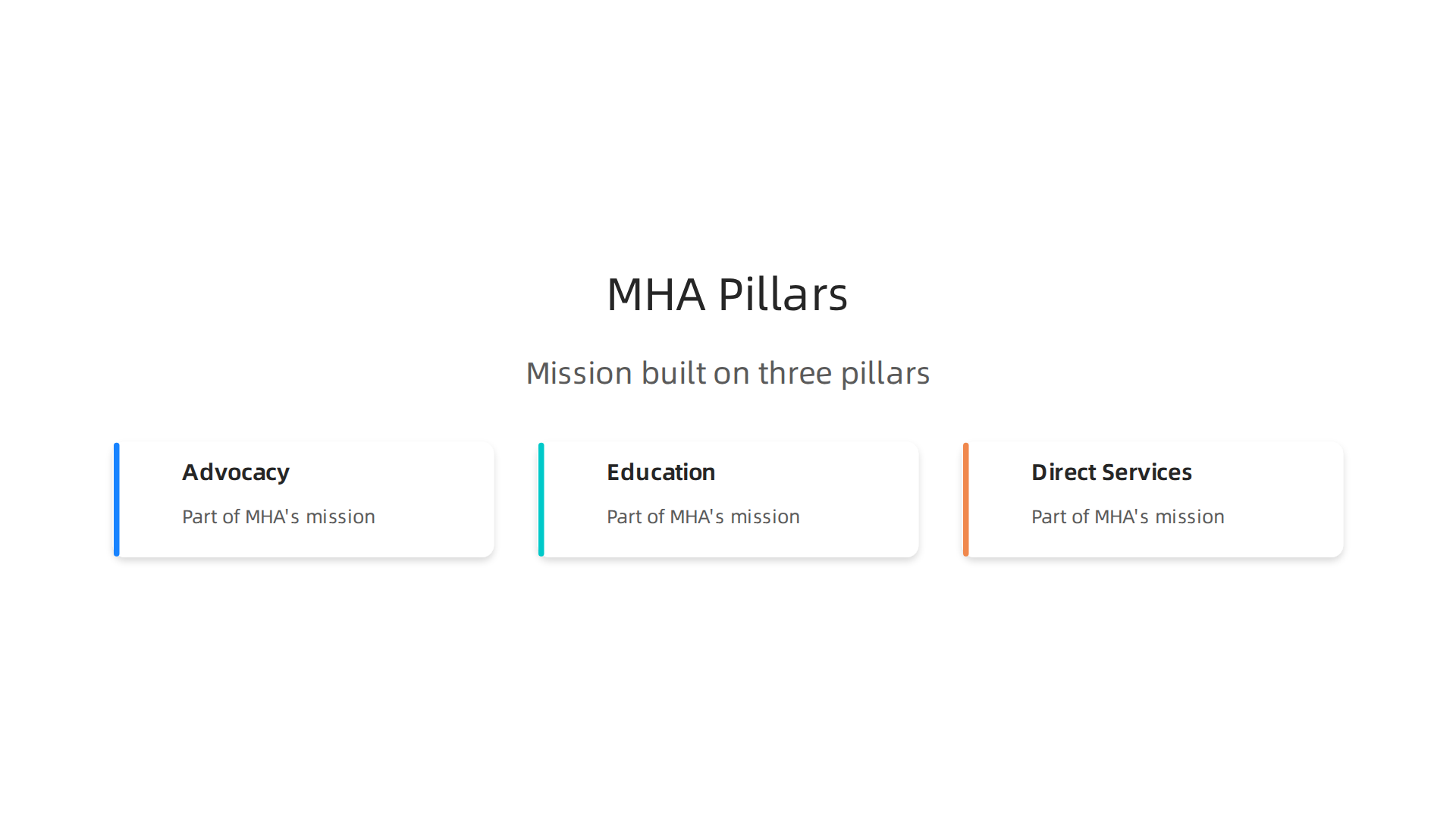
They fight to improve mental health policies at the state and national level. They teach people to recognize the early warning signs of conditions like depression. And they provide free, anonymous screening tools you can access online. Alongside partners like the National Alliance on Mental Illness, they work to create a complete network of care.
Here is the thing that makes MHA stand out. They focus on prevention and early intervention. They call this the B4Stage4 philosophy. It means treating mental health symptoms early, before they turn into a serious crisis.
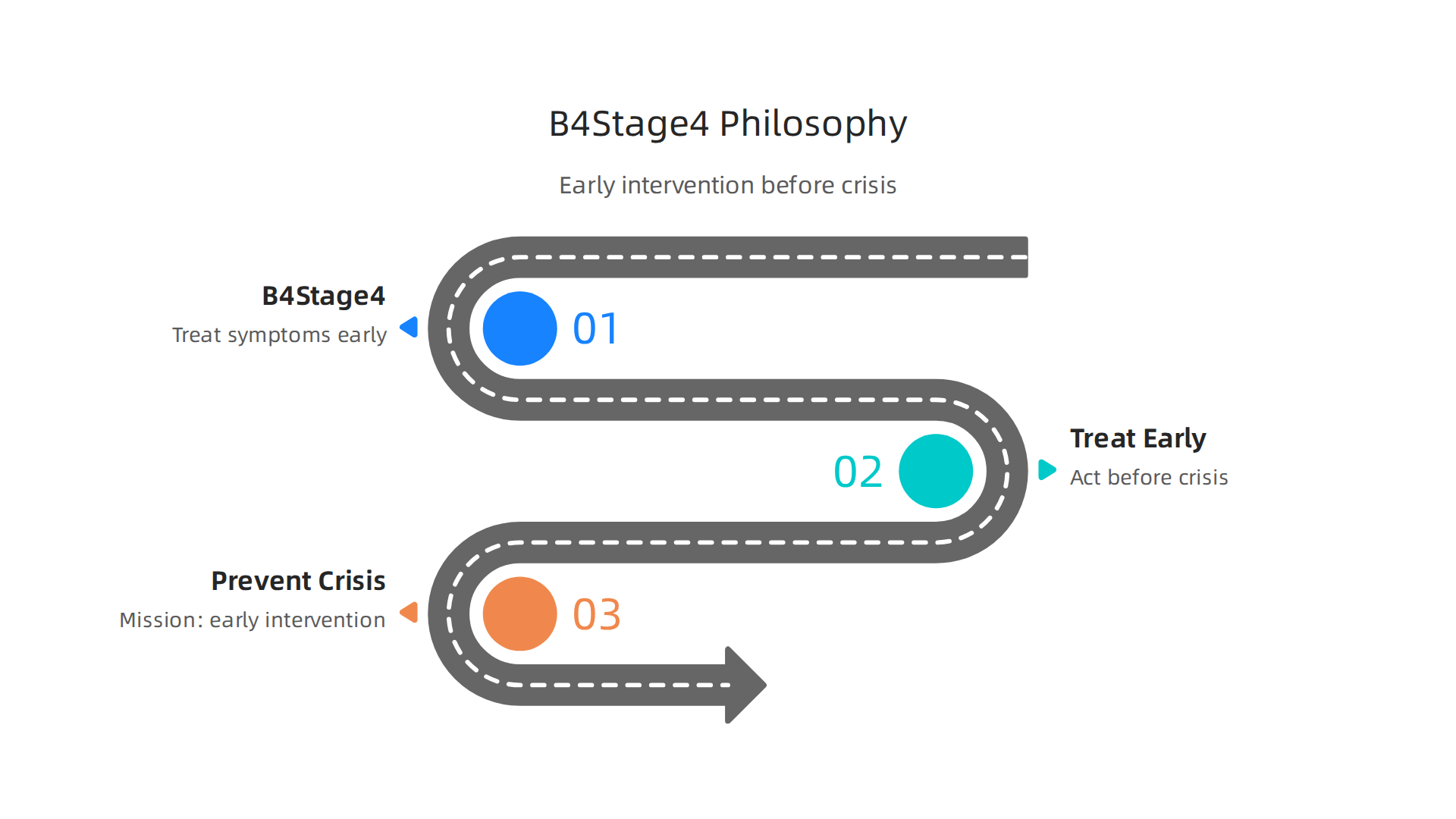
Recovery is always the goal.
For someone struggling with feelings of sadness or fatigue, this focus on early action is a lifeline. You do not have to wait until things get bad to seek help. In fact, managing your health records to track changes in mood or behavior can help you catch warning signs early.
MHA provides the national framework and the advocacy. To take the first step closer to your own well-being, explore clear, stigma-free information about depression symptoms here. Understanding what you are feeling is the beginning of real change.
The History and Mission of MHA
Let’s go back to where it all started. Mental Health America did not appear out of nowhere. Its roots trace back to a single person who changed everything.
One Man’s Story Started It All
In the early 1900s, a young man named Clifford Beers suffered from severe depression and paranoia. He was placed in mental institutions. What he saw there was horrifying. Patients were chained to beds. They lived in filth. They had no real treatment, only punishment.

After he recovered, Beers wrote a book called A Mind That Found Itself. It exposed the cruel conditions inside mental hospitals. The book shocked the public. With help from figures like philosopher William James, Beers founded the National Committee for Mental Hygiene in 1909. That group eventually became Mental Health America.
The Mental Hygiene Movement
This was the start of the mental hygiene movement. The idea was simple but radical. Mental illness should be treated with the same care as physical illness. Instead of locking people away, society should focus on prevention and recovery.
That philosophy still guides MHA today. They call it the B4Stage4 approach. The goal is to catch symptoms early, before they turn into a full crisis. This is exactly where a resource like tracking your mood history through the MHS Genesis patient portal can make a real difference.
Evolving to Meet Modern Challenges
A lot has changed since 1909. Mental Health America has adapted to each new challenge. In the 2000s, they launched free online screening tools. During the opioid crisis, they pushed for better access to treatment. And after the COVID-19 pandemic, they expanded programs for teens and young adults facing anxiety and isolation.
Today, MHA’s mission is clear: mental health for all. They believe everyone deserves access to care, no matter where they live. They work alongside organizations like the National Alliance on Mental Health to push for policy change and community support.
The numbers show why this work is urgent. In 2026, 18.3% of U.S. adults reported having depression or being treated for it. That is nearly 48 million people. And suicide remains the second leading cause of death for people ages 10 to 14. MHA’s focus on early action is a direct answer to these statistics.
A Mission for Today
Here is the bottom line. MHA is not just a historical organization. It is a living, active network that fights for you. Whether you live in Texas and work with a mental health texas affiliate, or you serve on a california mental health board, MHA connects local efforts to a national mission.
Want to start recognizing symptoms in yourself or someone you care about? Explore clear, stigma-free information about depression symptoms here. Understanding what you are feeling is the first step toward real change.
Key Programs and Initiatives
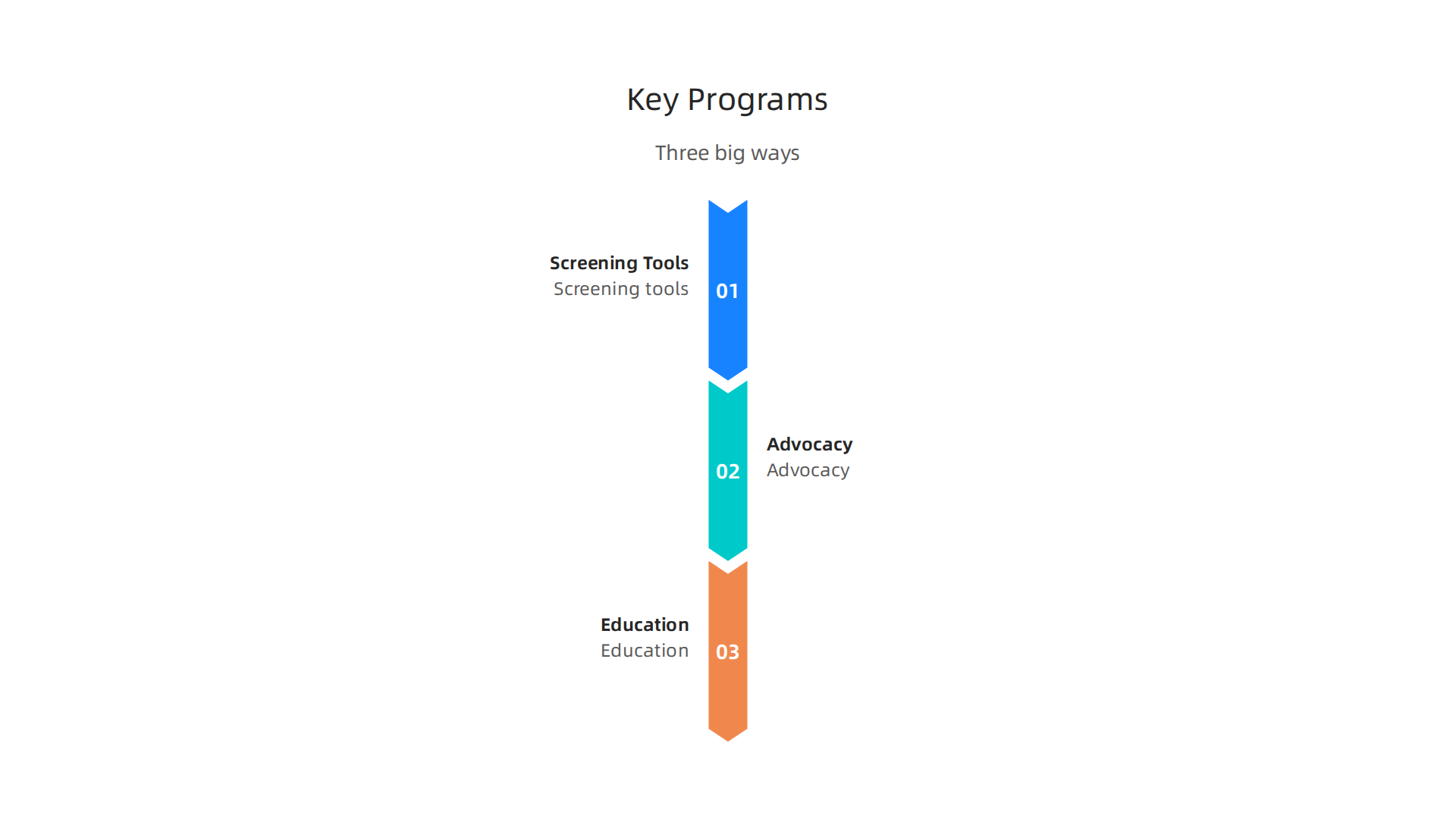
Mental Health America does more than talk about problems. They create real programs that help people every day. Let us look at three big ways they make a difference.
Free Online Screening Tools
This is probably MHA’s most well-known program. Back in 2014, they launched MHA Screening, a free and anonymous online tool.
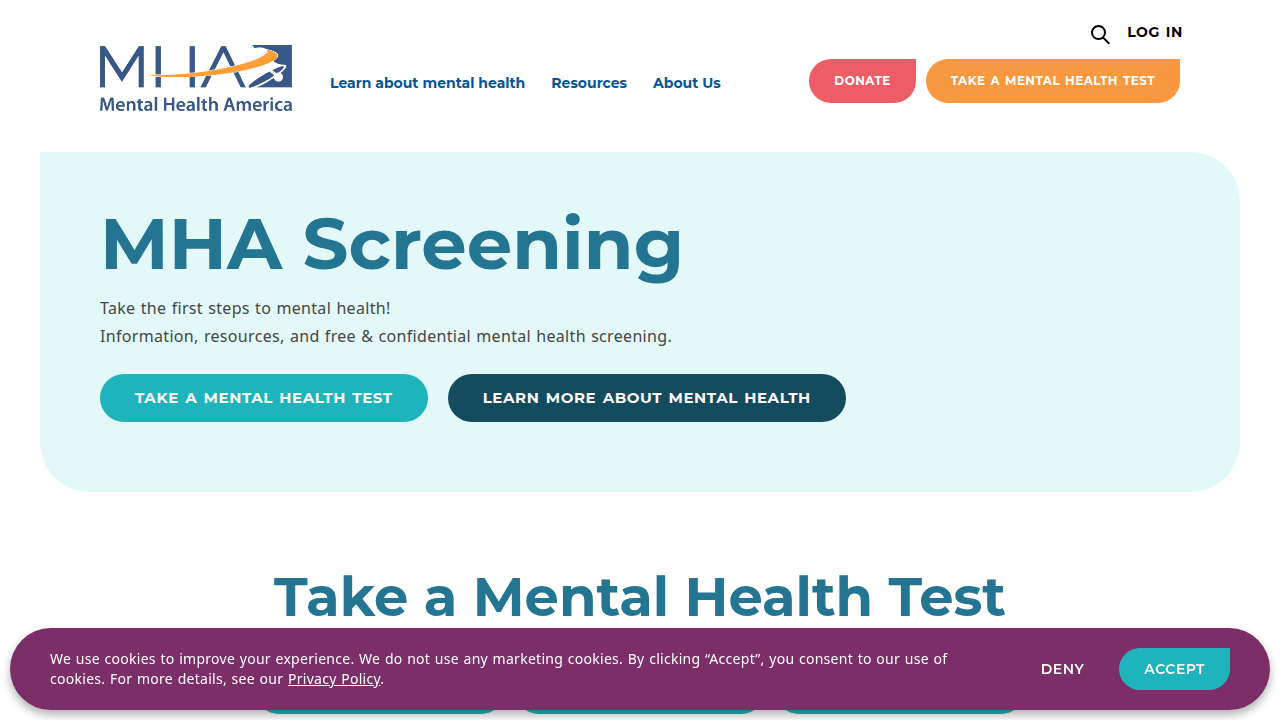
Today, anyone can take a quick screening for depression, anxiety, bipolar disorder, or PTSD. No sign-up needed. No insurance required.
The numbers are huge. As of 2026, MHA has collected data from millions of screenings. This data helps them understand what people are experiencing across the country. And it helps you too. If you have been wondering whether your sadness is normal or something more, a screening can give you a clear answer.
The US Preventive Services Task Force now recommends routine depression screening for all adults. MHA’s tool makes that recommendation something anyone can actually use.
Advocacy at Every Level
Screening is great. But changing laws is what makes long-term care possible. MHA pushes for policies that improve mental health care.
At the federal level, they fight for better insurance coverage and funding. At the state level, they support local efforts. For example, if you live in mental health texas programs or serve on a california mental health board, MHA provides resources and research to help you advocate effectively. They work alongside the national alliance mental health and other groups to amplify voices that need to be heard.
Every year, MHA releases state rankings that show which states are doing well and which are falling behind. This pressure helps leaders take action.
Educational Campaigns That Change Minds
Stigma is still a huge barrier. Many people know something is wrong but feel ashamed to ask for help. MHA runs campaigns that make mental health conversations normal.
They publish easy-to-read guides, host webinars, and train community leaders. Their goal is simple: help you understand what you are feeling and know you are not alone. This is where the catholic health association and other faith-based partners join in to reach communities that might not feel comfortable talking about depression otherwise.
So where do you start? If a screening shows you might be experiencing depression, the next step is understanding your symptoms better. Explore clear, stigma-free information about depression symptoms here. Knowing what you are dealing with is the strongest first move you can make.
MHA’s Role in Depression Advocacy
We talked about MHA’s programs. But let us zoom in on how they fight for people with depression specifically. This is where their work gets personal.
First, they keep the focus on screening. The US Preventive Services Task Force recommends routine depression screening for all adults. MHA makes that recommendation real. Their free, anonymous screening tool lets you check for depression without needing a doctor’s appointment or insurance. As of 2026, data from millions of screenings helps MHA track what people are actually feeling across the country. You can start here with their depression screening tool.
Second, MHA advocates for better access to treatment. They push for laws that require insurance companies to cover mental health care the same way they cover physical care. This fights the unfair gap that leaves so many people unable to afford help. Groups like the national alliance mental health and local organizations like mental health texas work alongside MHA in this effort. They also support people serving on a california mental health board who need research to back up their policy recommendations.
Third, MHA builds peer support networks and community programs.

Isolation makes depression worse. MHA connects people through online groups, local chapters, and partnerships with groups like the catholic health association to reach faith communities. You are not meant to do this alone.
So where do you go from here? If a screening shows you might have depression, the next step is understanding what you are dealing with. Explore clear, stigma-free information about depression symptoms here. Knowing your symptoms is the strongest first move you can make.
How to Get Involved and Support MHA
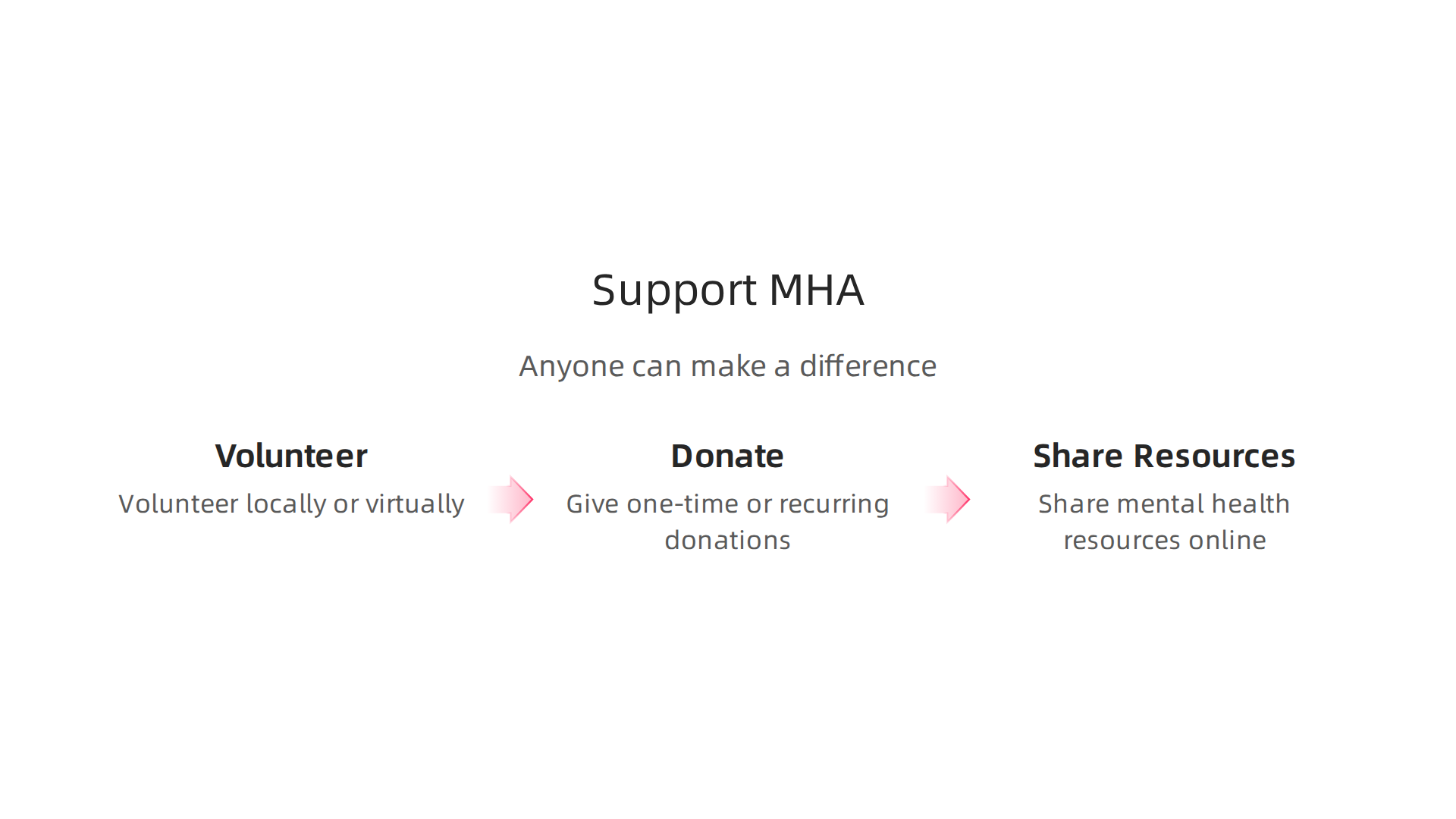
Maybe you have seen Mental Health America in the news during Mental Health Awareness Month 2026 and wondered how to actually help. The truth is that supporting MHA does not require a big budget or a psychology degree. Anyone can make a difference in three simple ways.
Volunteer Your Time
MHA relies on people like you for peer support, advocacy, and local affiliate work. You do not need to be an expert. You just need to care. Volunteers help answer helplines, lead support groups, and speak at community events. According to a recent report on how NAMI and MHA are fighting stigma, advocacy groups are shifting from general awareness to targeted action. That means every volunteer hour helps push real change forward.
Donate to Fund Real Programs
Every dollar you give to MHA funds screening tools, policy work, and community programs. The organization pays $2.3 million in salaries to its national staff, which means your donation goes toward trained professionals who run those services. When you donate, you help expand access to free mental health screenings and support for people who cannot afford care. You also help address bigger systemic problems, like how difficult it can be to navigate a patient portal for your health records.
Share MHA Resources
One of the easiest ways to support MHA is to share their resources with your friends, family, and social media followers. When you post a link to their screening tools or share a fact about depression, you help reduce stigma in your community. This is how small actions add up.
Feeling unsure where to start with your own mental health? Explore our clear, stigma-free information about depression symptoms and next steps.
Impact and Effectiveness
So you want to support Mental Health America. That is great. But does the organization actually make a difference? The short answer is yes. And the numbers prove it.
Screening Reaches Millions Every Year
MHA runs the largest free online mental health screening program in the country. Each year millions of people take a quick, private test to check for depression, anxiety, bipolar disorder, and more. According to MHA’s own data reports, this screening data helps communities spot trends early. For example, in 2025 youth reporting frequent thoughts of suicide reached a record high, but recent MHA data shows promising decreases. That kind of real-time information allows local groups like the California Mental Health Board and the National Alliance on Mental Illness to target their resources where they are needed most.
Policy Wins That Changed Lives
MHA does not just hand out screening tools. It fights for laws that protect your mental health. Two big wins stand out. The 21st Century Cures Act, passed in 2016, boosted funding for mental health research and treatment. And mental health parity enforcement means insurance companies cannot charge you more for mental health care than for physical health care. MHA’s 2026 priorities continue pushing for better access and fewer loopholes. These policy changes affect everyone, including people in states like Texas where mental health resources are often scarce.
Research That Keeps Getting Better
One thing that sets Mental Health America apart is its focus on measuring what works. The organization regularly studies its own prevention campaigns and peer support programs. That research, shared through the MHA center for research and innovation, helps fine‑tune strategies. It also provides a blueprint for other groups. When a campaign is not as effective as expected, MHA adjusts. That constant improvement means your support goes into programs that are proven to help.
If you are still wondering whether your own mood or energy levels could be signs of depression, take a look at our clear symptom guide. It is a simple, private way to learn more.
Addressing Pain Points: Stigma and Information Overload
You already know Mental Health America makes a real difference. But maybe you still feel stuck. Maybe you are scared to admit something feels off. Or maybe you have Googled your symptoms and ended up more confused than before. That is exactly what stigma and information overload feel like. And MHA gets it.
That is why every MHA resource is built to be simple and straight to the point. No medical jargon. No judgment. Just clear, honest information you can actually use. For example, their online screening tools ask plain questions and give you instant, private results. No sign-ups. No shame. Just a starting point.
And it works. In 2024, 1 in 4 U.S. adults had a mental health condition, but nearly half got no treatment (Innerwell). That gap often exists because people do not know where to turn. MHA fills that gap by giving you a clear next step. They even help you manage your health information through tools like the MHS Genesis patient portal, so you stay in control.
On top of that, MHA fights stigma head-on by sharing real stories from real people. When you read or hear someone describe exactly what you are feeling, the shame loses its power. Expert articles and community stories work together to show you that depression is not a character flaw. It is a health condition, just like diabetes or heart disease.
If you are ready to move past the confusion and find answers that actually help, start with a symptom check that is private and free.

Summary
This article explains what Mental Health America (MHA) is, where it came from, and why its prevention-first approach matters for people with depression. It traces MHA’s origins with Clifford Beers, describes the B4Stage4 philosophy of early intervention, and outlines core programs like free anonymous online screenings, advocacy work, and educational campaigns to reduce stigma. The piece shows how MHA influences policy, partners with local affiliates, and uses screening data to target resources and improve programs. Readers will learn how to use MHA tools, take practical next steps after a screening, and simple ways to support the movement through volunteering, donating, or sharing resources. The article also highlights MHA’s measurable impact and points to managing your own health records as a way to spot early warning signs. Overall, it gives clear, stigma-free guidance for anyone wanting help, involvement, or reliable information about depression and community support.