

How Patient Portals Like Summit Health Can Help You Manage Depression
Managing depression is rarely a straight line. You have good days and hard days. And between those hard days and your next doctor appointment, a lot can change. You might forget how you felt last week. You might stop a medication because of a side effect. Or you might simply lose the motivation to call the office and explain what is going on.
That gap between visits is where many people struggle. But the Summit Health patient portal can help bridge that gap. Patient portals offer a secure, central place to manage your health information and talk with your care team.

For someone dealing with depression, this can make a real difference in sticking with treatment.
Portals like Summit Health give you tools that reduce the friction of mental health care. You can send a secure message to your provider when a thought pops up, instead of waiting for a phone call. You can check your medication list and see what changed. You can even fill out an online mental health evaluation before your appointment, so your doctor has real data to work with.
Research shows that portals with depression specific features can improve care. One project from the Agency for Healthcare Research and Quality combined portal tools with provider support to help people manage depression more actively. Other platforms now let you complete validated screening tools like the PHQ 9 right from your phone. That means your provider gets timely updates on how you are actually doing, not just what you remember from two weeks ago.
For example, the genesis patient portal and the IU Health portal offer similar secure messaging and appointment scheduling. These tools help you stay connected between visits. They save time and reduce the stress of playing phone tag with a busy clinic.
The goal is simple: make it easier to stay on top of your mental health. When you can log in, see your records, and send a note to your doctor in minutes, you are more likely to keep going even on hard days.
If you want to understand what symptoms mean and when to take the next step, explore clear, stigma-free information about depression symptoms and options.
What Is a Patient Portal and How Does It Support Mental Health?
You might be wondering what a patient portal actually is. It’s not just another app to download and forget about. A patient portal is a secure online website that gives you direct access to your health information and lets you talk with your doctor between visits. Think of it as a digital front door to your care team.
Most patient portals share a set of common features. You can send secure messages to your provider, schedule appointments, request prescription refills, view lab results, and find educational resources. These tools are designed to make managing your health easier and less stressful. For someone dealing with depression, each of these features can directly address a common struggle.
Here is how the features support your mental health care:
- Secure messaging: Reduces phone anxiety. You can send a message when you feel up to it, without worrying about making a call.

Studies show that portal communication helps people stay connected to their care team between visits. That connection matters when motivation is low.
-
Appointment scheduling: Book visits without playing phone tag. This removes a small but real barrier to following through on care.
-
Prescription refills: Staying on medication is hard enough without worrying about running out. With a refill request, you can keep your treatment on track and improve medication adherence.
-
Self-monitoring tools: Many portals now let you complete validated screening tools like the PHQ 9 or GAD 7 right from your phone. As the ICANotes article explains, these tools give clinicians real-time outcome data so they can adjust your care sooner.
-
Access to medical records: You can check your test results, review your medication list, and see your provider’s notes. This transparency helps you stay informed and involved in your treatment.
What sets a patient portal apart from generic health apps is its direct connection to your actual care team. A mood tracker on your phone is helpful, but it does not send data to your doctor. With a portal like the Summit Health patient portal, your information goes straight into your electronic health record. Your provider sees your screened assessments and can respond quickly. The same is true for other portals like the genesis patient portal and the IU Health portal. They are all part of your provider’s system, not a separate app.
If you want a step-by-step guide to using one of these tools, take a look at our guide on how to log into the MHS Genesis patient portal and manage your health records. It walks you through the basics so you can get started with confidence.
The goal is simple: make it easier to get care when you need it. A patient portal helps bridge the gap between appointments and keeps your mental health on your radar even on tough days.
If you are ready to learn more about what your symptoms mean and what you can do next, explore clear, stigma-free information about depression symptoms and options.
Navigating the Summit Health Patient Portal: A Step-by-Step Guide
Starting with a patient portal for the first time can feel a little confusing. Where do you log in? How do you find mental health resources? Let’s walk through the Summit Health patient portal step by step so you can start using it with confidence.
Step 1: Create your account or sign in
Go to the official Summit Health patient portal page and click the sign-in button. If you are a new patient, you will need to create an account. You provide some basic information like your name, date of birth, and email address. After that, you will get a verification email to confirm your identity. Once you are in, the dashboard shows your health information all in one place.
One thing to know: beginning April 2026, Summit Health moved patient health information and secure messages to the athenaPatient mobile app and Athena Patient Portal. If you already had an account, your data transferred automatically. If you are new, you can download the app or access the web portal directly.
Step 2: Find mental health tools and resources
Once logged in, look for the messaging, appointments, and test results sections. These are usually front and center. For mental health care, two tools matter most: secure messaging and appointment scheduling.
Use secure messaging to talk to your provider
This is a big one. Instead of waiting for a phone call or feeling anxious about dialing the office, you can send a secure message right from the portal. You can ask about depression symptoms you are noticing, request a therapy referral, or ask about medication adjustments. Your provider responds during office hours, and you have a written record of the conversation to refer back to. That written record can be really helpful when your memory feels foggy.
Schedule psychiatry and therapy visits
You can also book appointments directly through the portal. Look for the scheduling section and search for behavioral health or psychiatry. You will see available time slots and can pick one that works for you. No phone tag required. If you need help finding the right provider, your primary care doctor can guide you through the portal as well.
A note for users of other portals
If you use a different system, the steps are similar. For example, the genesis patient portal offers the same core features for military families.
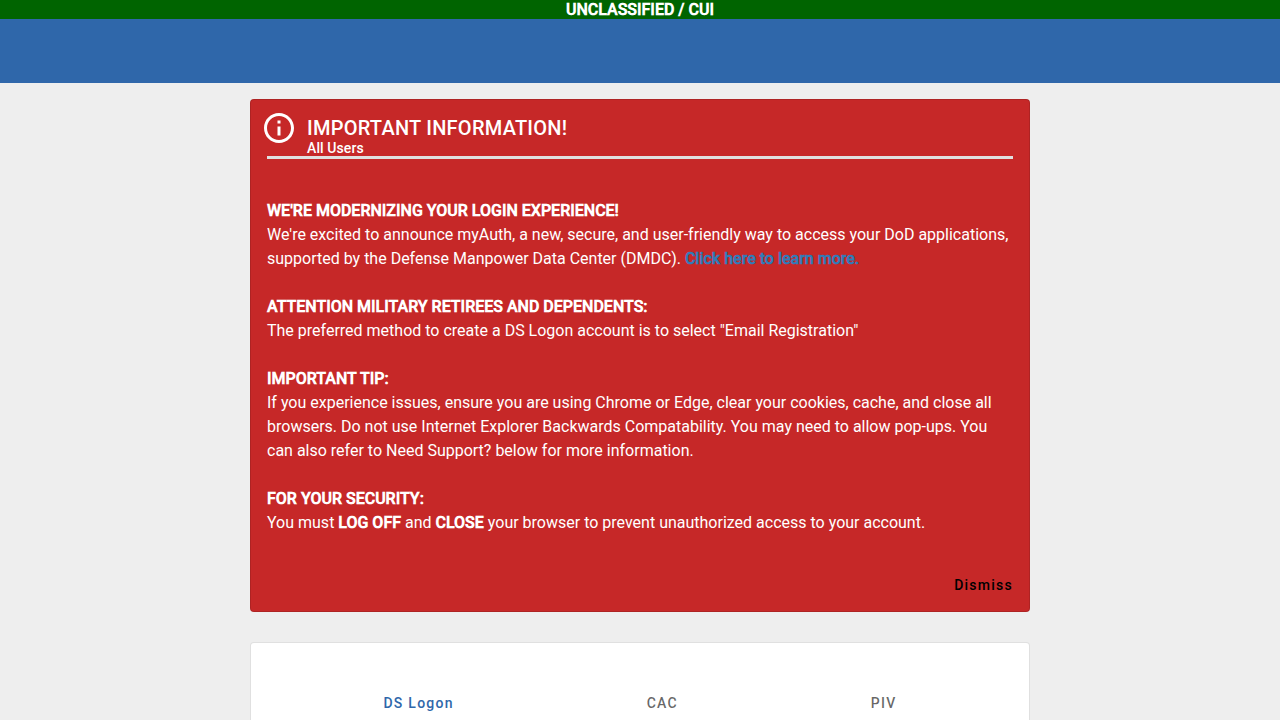
We have a complete guide on how to log into the MHS Genesis patient portal and manage your health records if you need specific instructions.
Next steps for your mental health
Using the Summit Health patient portal removes small barriers that can feel huge when you are struggling with depression. Now that you know how to navigate the portal, you can focus on what really matters: understanding your symptoms and finding the right support. Explore clear, stigma-free information about depression symptoms and next steps to keep moving forward with confidence.
The Role of Digital Tools in Depression Self-Management
You already know how to log in and message your provider. But patient portals can do so much more than that. When you live with depression, managing your own care can feel like a full time job. Digital tools help lighten that load.
Track symptoms with questionnaires
Have you ever filled out a PHQ-9 form in a waiting room? That short depression screening quiz is now available inside many patient portals, including the summit health patient portal. Research shows that self-management strategies are a key part of coping with depressive symptoms. When you complete a questionnaire at home, your results go straight to your clinician. No need to remember how you felt two weeks ago. You can track your progress over time and see what is actually working.
Set medication reminders and request refills
Depression can mess with your memory and motivation. Forgetting a dose or running out of medication adds stress you do not need. Digital tools reduce that cognitive load. You can set reminders right inside the portal or link them to your phone. When you need a refill, you request it in a few clicks instead of playing phone tag. That simplicity matters more than you might think.
Connect with wearables and mood tracking apps
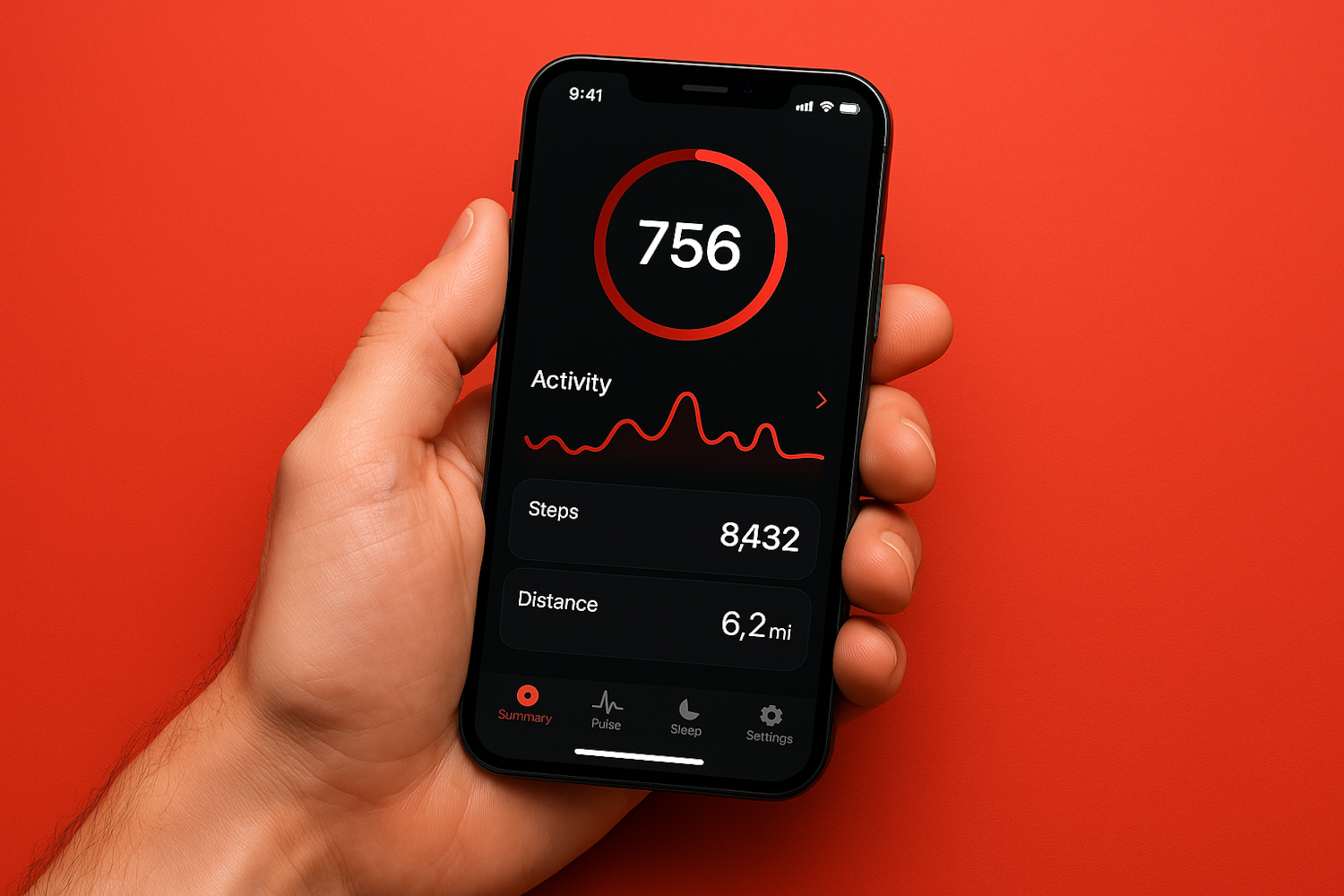
Here is where things get interesting. Many portals now allow integration with wearable devices and mood tracking apps. Your step count, sleep patterns, and heart rate data can feed into your health record. So can your daily mood entries. This gives your provider a fuller picture of your life between appointments. Studies on digital health interventions show that personalized, data driven care helps address the different ways depression shows up in each person.
Share what you learn with your care team
When you track symptoms and spot patterns, you become a more active partner in your treatment. You can bring real data to your next appointment. If you want to create simple visual aids to track your progress, check out our guide on how to create a mental health awareness infographic that drives action. It helps you communicate what words sometimes cannot.
Your next step
Digital tools are not a replacement for professional care. But they are a powerful support system. Start by using one feature in your portal this week. Maybe fill out a PHQ-9 or set a medication reminder. Small actions add up. Explore clear, stigma-free information about depression symptoms and next steps to keep moving forward with confidence.
Privacy and Security: Protecting Your Mental Health Data
You might be wondering: "Is it really safe to put my most private thoughts into a patient portal?" That is a fair question. When you deal with depression, sharing feelings with a screen can feel risky. The good news is that systems like the summit health patient portal are built with strong protections.
HIPAA is your first layer of defense
The Health Insurance Portability and Accountability Act sets strict rules for how your health information must be handled. Any platform that connects to your provider, including portals used by the iu health portal or the genesis patient portal, must follow these rules. This means your data cannot be shared without your permission. The Office of the National Coordinator for Health IT makes sure patients have secure access to their own records under HIPAA. You can learn more about these standards at healthit.gov.
Security features that watch your back
Beyond HIPAA, modern portals use end to end encryption. That is a fancy way of saying your messages and records are scrambled so only you and your care team can read them. Two factor authentication adds another step when you log in, like a code sent to your phone. Audit trails track who looks at your records and when. If you use an online mental health evaluation inside the portal, those results stay protected by these same safeguards. Systems like SMART on FHIR help different healthcare tools connect securely without exposing your data.
You stay in control
Here is something many people do not realize. You have the right to see every piece of data in your portal. You can download your records, share them with other providers, or ask to correct mistakes. This is called data portability, and regulations in 2026 give you even more control over your information. If you want to compare options, check out our guide on how to manage your health records through the genesis patient portal.
Your mental health journey is personal. The tools that help you track it should protect that privacy every step of the way. Explore clear, stigma-free information about depression symptoms and next steps to keep moving forward with confidence.
Integrating Patient Portals with Other Digital Mental Health Apps
Now that you know your data is safe inside a patient portal, let’s talk about the next big thing. How do you make that data work with other tools you already use? This is the heart of building a truly personal care system for depression.
The secret language of health data
Think of APIs as translators. They allow your patient portal to talk with other apps like mood trackers, meditation guides, or even the Calm or Headspace apps. One key standard called SMART on FHIR is leading the way. It helps different healthcare tools connect securely without exposing your private information. This is a big deal. It means your online mental health evaluation results from your portal could feed directly into a mindfulness app you use every day.
The real challenge: making it all fit
Here is where things get tricky. Not every app speaks the same data language. Some use old formats. Others use new ones. This is called an interoperability problem. Many county health systems are working hard to fix this. They follow guidelines from places like San Mateo County Health to make sure everything works together smoothly. There are also consent management issues. You need to decide who sees what data and for how long.
Building your seamless care ecosystem
When integration works well, it creates something powerful. You log your mood in a tracker, and your provider sees it in the portal. You start a guided meditation, and your care team knows you are using it. No more repeating yourself. The goal is to let your tools support you without creating more work. And that is exactly what a good portal system should do.
Want to learn more about how to set up record sharing with your providers? Check out our guide on managing health records through the MHS Genesis patient portal. It walks you through the steps so you can start building your own connected care system today.
Explore clear, stigma-free information about depression symptoms and next steps to keep moving forward with confidence.
Overcoming Barriers: Addressing Stigma and Access Through Patient Portals
Let’s face a hard truth. Stigma still stops many people from getting the help they need. A 2022 report from the AAMC confirms that stigma remains a major barrier to mental health care. But patient portals offer a quiet path around that wall.
When you send a message through a portal, no one sees you walk into a therapist’s office. No one watches you fill out paperwork in a waiting room. You just log in from your own space. That privacy makes a real difference. In fact, community health researchers at UChicago found that patient portals can improve mental health screening efforts because people feel more comfortable sharing sensitive information online.
Here’s how portals help break down the biggest barriers.
Privacy that protects you from judgment
Traditional care can feel exposed. You worry about who might see you. Patient portals change that. You can communicate with your provider without anyone knowing. You can complete an online mental health evaluation from your couch. Studies on health information exchange acceptance show that patients value this kind of private communication when dealing with depression treatment. The fear of stigma fades when you control who sees your information.
Access from anywhere, at any time
Geography and time constraints block many people from care. Maybe you live in a rural area. Maybe your work schedule leaves no room for appointments. Patient portals remove those limits. You can check your Summit Health patient portal at midnight. You can message your doctor on a Sunday afternoon. The digital divide is real, but for those with internet access, portals open doors that used to stay locked. Virtual visits through the portal mean you never have to drive an hour for a 30-minute appointment.
Education that reduces fear
Many people avoid care because they don’t understand what to expect. Portals can host educational materials. You can read about symptoms, treatments, and what happens during a first visit. This knowledge reduces the fear of judgment. When you know what is coming, you feel more in control. The Canadian Medical Association notes that mental health stigma leads to missed opportunities for support. Portals fight that by putting clear, nonjudgmental information right in your hands.
If you want to see how portals make care more private and accessible, check out this guide on managing health records through the MHS Genesis patient portal. It shows you exactly how to use these tools for yourself.
Explore clear, stigma-free information about depression symptoms and next steps to keep moving forward with confidence.
Real-World Outcomes: Evidence That Patient Portals Improve Depression Care
So do patient portals actually help people get better? Or is it just a nice convenience? The research coming out in 2026 says yes. Portals are making a real difference in depression care.
Here is what the evidence shows.
Stronger engagement and higher satisfaction
When people use a portal for depression care, they stay more involved. A project from the Agency for Healthcare Research and Quality studied patients who completed a depression screening questionnaire through a patient portal. Compared to usual in clinic care, portal users showed higher engagement. They felt more in control of their treatment. That matches what we see across digital health tools. A systematic review in Frontiers in Digital Health found that digital interventions like portals help personalize depression care, which keeps people coming back.
Better medication adherence and symptom tracking
Sticking with medication is hard. You feel better and think you are done. Or side effects make you want to quit. Portals help with that. Research published in the Journal of Medical Internet Research looked at how patients engage with digital depression tools. The study found that features like secure messaging and symptom check-ins improve adherence. You can report how you are feeling between visits. Your provider sees the pattern and adjusts your care before you fall off track. If you use a summit health patient portal or a genesis patient portal, this same support system is already available to you.
Fewer trips to the emergency room
Better communication means fewer crises. When you can message your care team through an iu health portal or any portal, small problems get handled early. You do not wait until things get bad enough for the ER. A recent study on self management strategies for depression confirmed that people who actively track their symptoms and communicate with providers have better outcomes and fewer urgent visits. That is good for you and good for the whole healthcare system.
For a closer look at how portals support daily symptom tracking, read about using the MHS Genesis patient portal to manage your health records.
Explore Symptoms and learn what your own signs might mean so you can take the next right step.
Frequently Asked Questions About Summit Health Patient Portal for Mental Health
You might have questions about using the Summit Health patient portal for your mental health care. That is totally normal. Here are answers to the most common ones.
Is my mental health information visible to other providers outside of my care team?
No. Your mental health records are private. The portal uses strict security to protect your data. Only your Summit Health care team can see your messages, symptom check-ins, and treatment plans. Other providers outside Summit Health cannot access this information unless you give written permission. The Summit Health patient portal FAQ explains how your health information stays safe.
Can I schedule a therapy appointment directly through the portal?
Yes. The portal lets you book, view, and manage appointments for many services, including mental health visits. You can check available times and choose a slot that works for you. This works just like the MHS Genesis patient portal used in military health systems. No phone calls needed.
What should I do if I need urgent help and the portal is not responding?
The portal is not for emergencies. If you are in crisis or have urgent thoughts of self-harm, call 988 (the Suicide and Crisis Lifeline) or 911 right away. The portal is a helpful tool, but it cannot replace immediate help. If the portal is down, call your provider’s office directly or go to your nearest emergency room.
If you want to learn more about depression symptoms and when to take action, Explore Symptoms for clear, practical guidance.
Summary
This article explains how patient portals—like the Summit Health patient portal—help people manage depression between visits by offering secure messaging, appointment scheduling, medication refills, and built‑in screening tools such as the PHQ‑9. It walks you through signing in, finding mental health features, and practical ways to use the portal to track symptoms, request care, and share real data with your clinician. The piece also covers privacy protections (HIPAA, encryption, audit trails), how portals can connect with other mental health apps via standards like SMART on FHIR, and the ways portals reduce stigma and access barriers. Research evidence is summarized to show portals boost engagement, medication adherence, and can lower emergency visits. Readers will learn concrete first steps—create an account, try a PHQ‑9, send a secure message—and where to find more detailed how‑to guides for related systems.