

Finding the right mental health help can feel like a big maze, especially when you’re already struggling.

For people in Missouri, knowing where to start often means understanding the role of the Missouri Department of Mental Health.
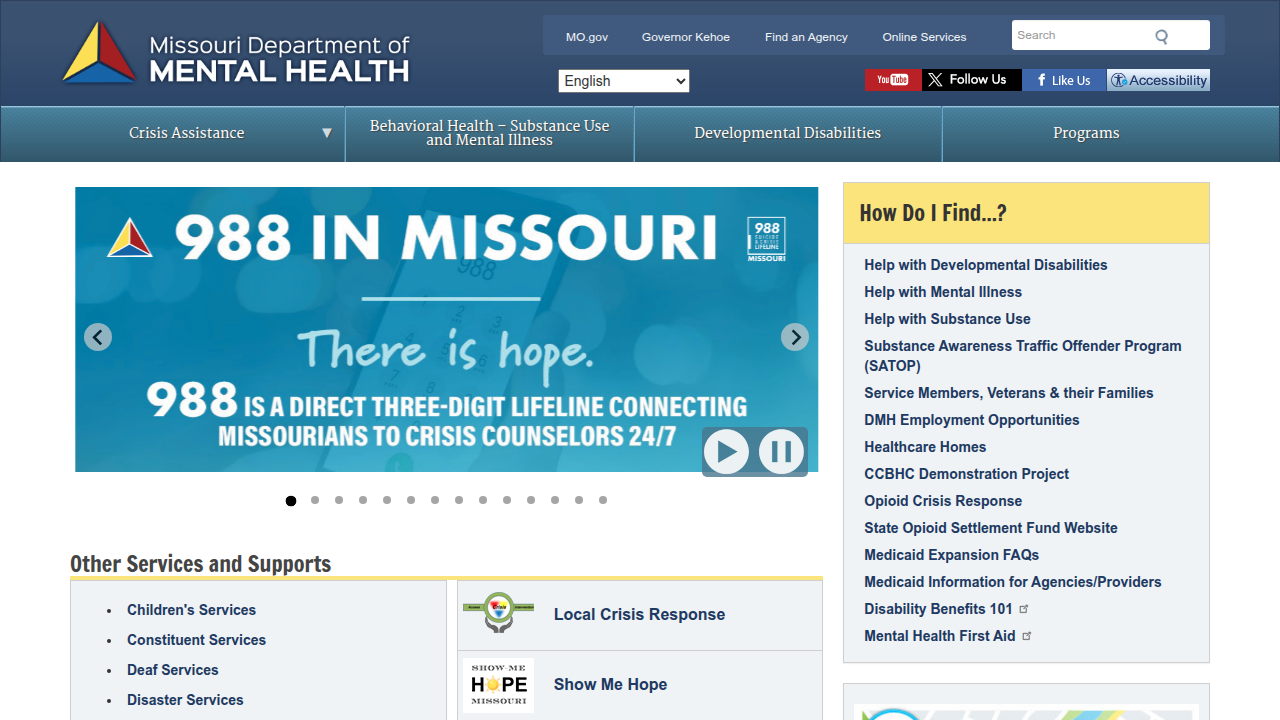
This important state agency works hard to make sure mental health services are available and easy to find across Missouri. They coordinate different programs and providers, aiming to help everyone who needs support.
Many people feel lost when looking for care. They might not know what type of help they need, or how to connect with local groups like a Community Mental Health Center or a local mental health cooperative. It’s a common challenge: Where do you go for depression, anxiety, or other mental health concerns in your local area? The worry about finding suitable support can add to the stress, making it even harder to reach out.
That’s why this guide is here. We want to take away some of that worry and help you easily navigate the Missouri Department of Mental Health to find local mental health services. We’ll break down how the system works and show you clear steps to find the right support for you or your loved ones in 2026. This guide aims to be your friend in finding care, reducing the friction that often comes with seeking help.
Sometimes, the pressure you feel isn’t just from within. It can come from life’s challenges, making you feel emotionally drained. If you’re Feeling Emotionally Drained? and suspect the pressure may not be only personal, know that support is available.
Now that we understand the big picture of why the Missouri Department of Mental Health is so important, let’s look at how it’s actually built. Knowing how this state agency is put together can help you better understand where services come from and how to find them.

Think of it like a roadmap for finding help.
The Missouri Department of Mental Health, often called DMH, is a large organization. It works at the state level but makes sure help reaches people in every local community. It has different parts, or "divisions," that focus on specific kinds of care.
Key Divisions and Their Roles
The DMH has several main divisions, each playing a special role:
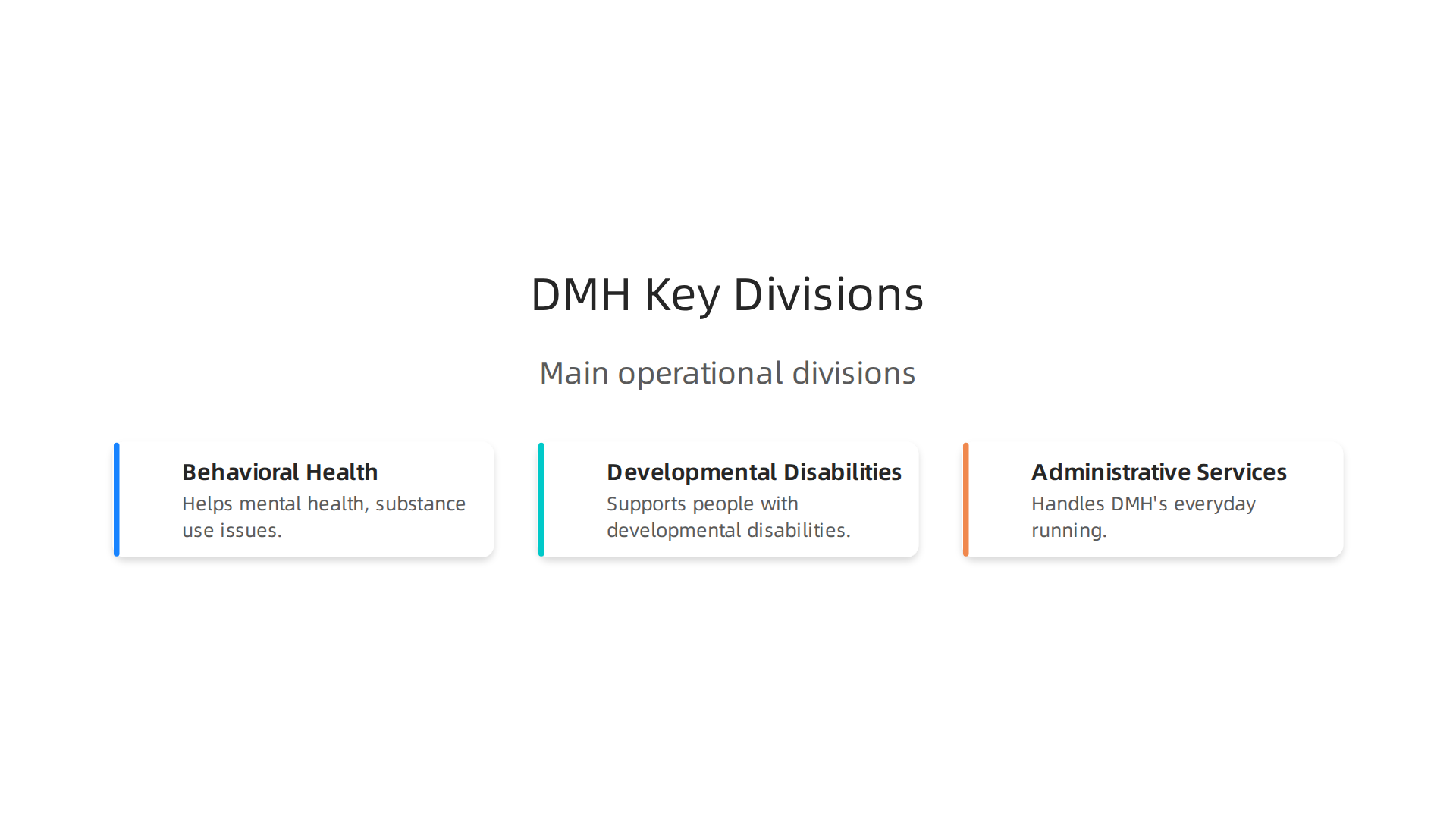
- Division of Behavioral Health: This is a big one. It helps people with mental health challenges and those dealing with substance use issues. They plan programs and fund many of the services you might find in your town, like those at a local
community health centeror a specificbehavioral health center. - Division of Developmental Disabilities: This part focuses on support for people with developmental disabilities, making sure they get the care and services they need to live well.
- Division of Administrative Services: This division handles the everyday running of the DMH, making sure everything works smoothly so the other divisions can do their important work.
These divisions help the Missouri Department of Mental Health make sure different types of care are available for different needs.
How Services Reach Your Community
The DMH doesn’t run every single mental health office itself. Instead, it works with many local groups through contracts. This is how services get delivered right to your neighborhood.
Here’s how it works:
- Regional Offices: The DMH has offices in different parts of Missouri. These regional offices work closely with local groups to understand what each community needs. They help make sure the services in your area are a good fit for the people living there.
- Local Partners: The DMH contracts with many local organizations to provide care. These can be
community health centers, private practices, or specializedbehavioral health centers. For example, a place like apeninsula behavioral healthcenter in your town might receive funding from the DMH to offer specific services. This setup creates a network of care, so you have options close to home. - Community Mental Health Centers: These are key partners. They offer many services like therapy, crisis support, and help with medicine. The DMH supports these centers to make sure people can get help without having to travel far.
By working this way, the Missouri Department of Mental Health ensures that mental health support is not just a state-level idea, but a real help you can find in your own community. Understanding these layers helps you know where to look when you need support. If you are struggling with deeper issues like distinguishing between complex conditions, knowing how the state system supports various providers can help you find specialized care. For example, if you’re trying to understand Schizophrenia Or HPPD Which One Is Causing Your Symptoms, knowing where to find mental health providers through the DMH’s network can be a crucial first step.
Finding help for mental health can feel like a big puzzle. Luckily, the Missouri Department of Mental Health (DMH) has clear ways to help you find local support. It’s all about knowing where to look on their official websites and directories.
Step-by-Step to Finding Local Help
Here is a simple way to find mental health centers and providers near you:
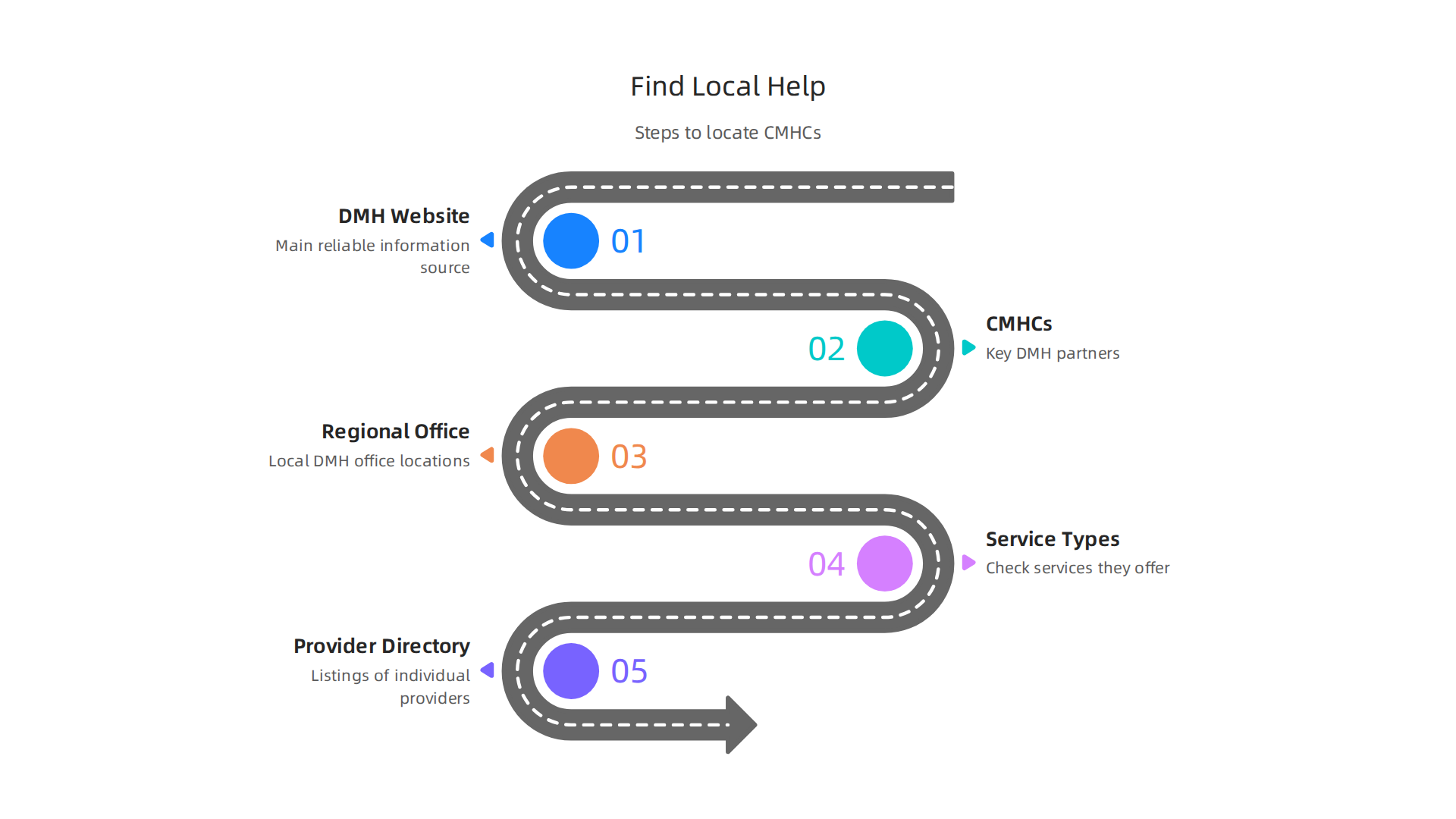
- Start with the DMH Website: Your first stop should be the official
Missouri Department of Mental Healthwebsite. This is the main place for reliable information. - Look for Community Mental Health Centers (CMHCs): These centers are key partners of the DMH. They offer many services right in your community. You can find a list of these providers directly on the DMH site. They are often called
behavioral health centerstoo. You can find a helpful guide to these providers on the Community Mental Health Centers page. - Find Your Regional Office: The DMH has offices in different areas of Missouri. These regional offices work with local groups to make sure your community gets the right services. Knowing your region can help you narrow down your search. You can often find a Behavioral Health Regional Offices Map on the DMH website to locate your area.
- Check for Different Service Types: When looking for a center or a
community health center, pay attention to the types of services they offer.- Outpatient services mean you visit a center for therapy or medicine appointments and then go home.
- Crisis services are for urgent situations when you need help right away.
- Residential services mean staying at a facility for a period of time, like a short-term stay.
- Use Provider Directories: The DMH provides listings that can help you find individual providers or specific centers. These directories might list a local
mental health cooperativeor even apeninsula behavioral healthcenter if one is in your area. These lists help you see what options are close by.
By using these tools, you can easily find the support you need, whether it’s for regular therapy or help during a crisis. Understanding how to navigate the Missouri Department of Mental Health to find local mental health services is an important step in taking care of your mental well-being. If you need immediate help for a tough situation, it’s also good to know about a list of non-emergency phone numbers for mental health crises.
After you find mental health services, the next big question is often how to pay for them. Luckily, there are different ways to get help, even if you don’t have a lot of money or private insurance. The Missouri Department of Mental Health and many behavioral health centers in the state offer programs to make care affordable.
Understanding Payment Options
Knowing about eligibility and payment plans can help you get the right support. Here are the main ways people in Missouri pay for mental health care:
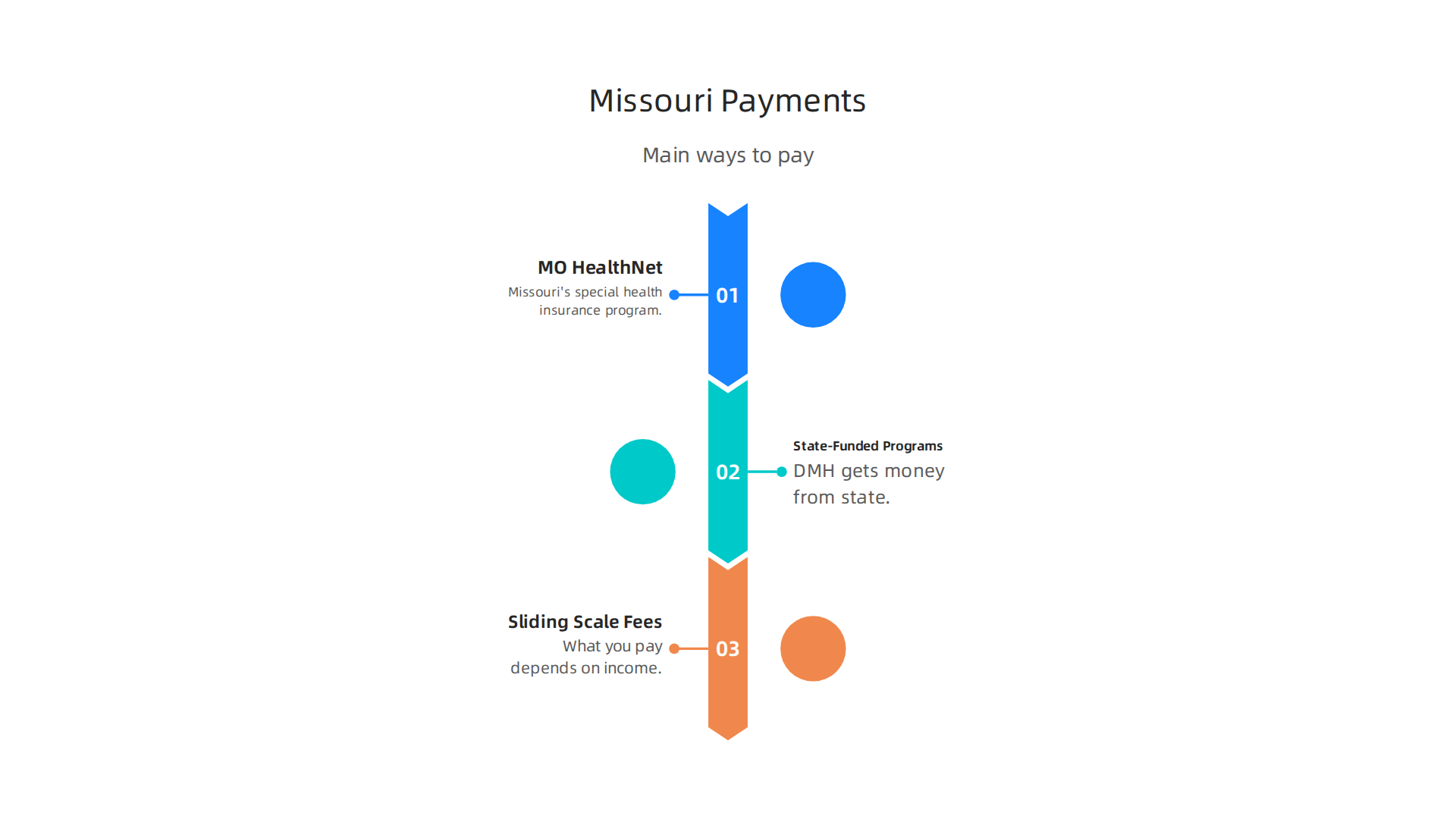
- Medicaid (MO HealthNet): This is Missouri’s special health insurance program for people with lower incomes. If you qualify, MO HealthNet can cover many mental health services. This includes visits to a therapist, doctor, or a
community health center. It helps make sure more Missourians can get the care they need for their health and well-being. You can learn more about how it works through resources like the Missouri Medicaid 101 guide.
- State-Funded Programs: The
Missouri Department of Mental Healthgets money from the state to help people who need mental health care but can’t pay much. These funds often go tocommunity mental health centersor places like amental health cooperative. They make sure that care is available to everyone in the community. - Sliding Scale Fees: Many
behavioral health centers, including some that might be part of apeninsula behavioral healthnetwork, use a "sliding scale." This means what you pay for services depends on how much money you earn. If you make less, you pay less. This helps make therapy and other treatments possible for more people.
It’s a good idea to ask about these options when you first contact a center or provider. They can explain what paperwork you need or if you meet the requirements for certain programs. Understanding how to navigate mental health insurance billing and afford therapy in 2026 is a vital step in getting the ongoing care you deserve.
Sometimes, you might need help right away, not just help for later. When someone is going through a very tough time with their mental health, it can feel like a crisis. In these moments, knowing exactly where to turn can make a huge difference.
Crisis services, 988, and immediate access pathways
If you or someone you know is having a mental health crisis, like feeling like you want to hurt yourself or others, there are places to get immediate help.
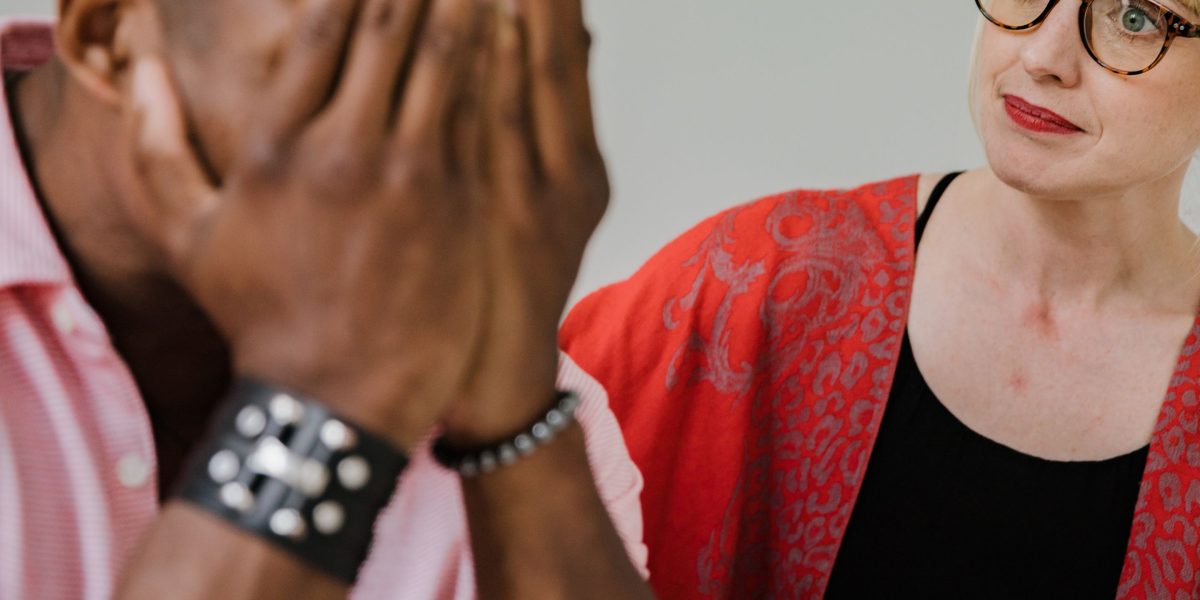
Missouri has special services ready 24 hours a day, every day of the week.
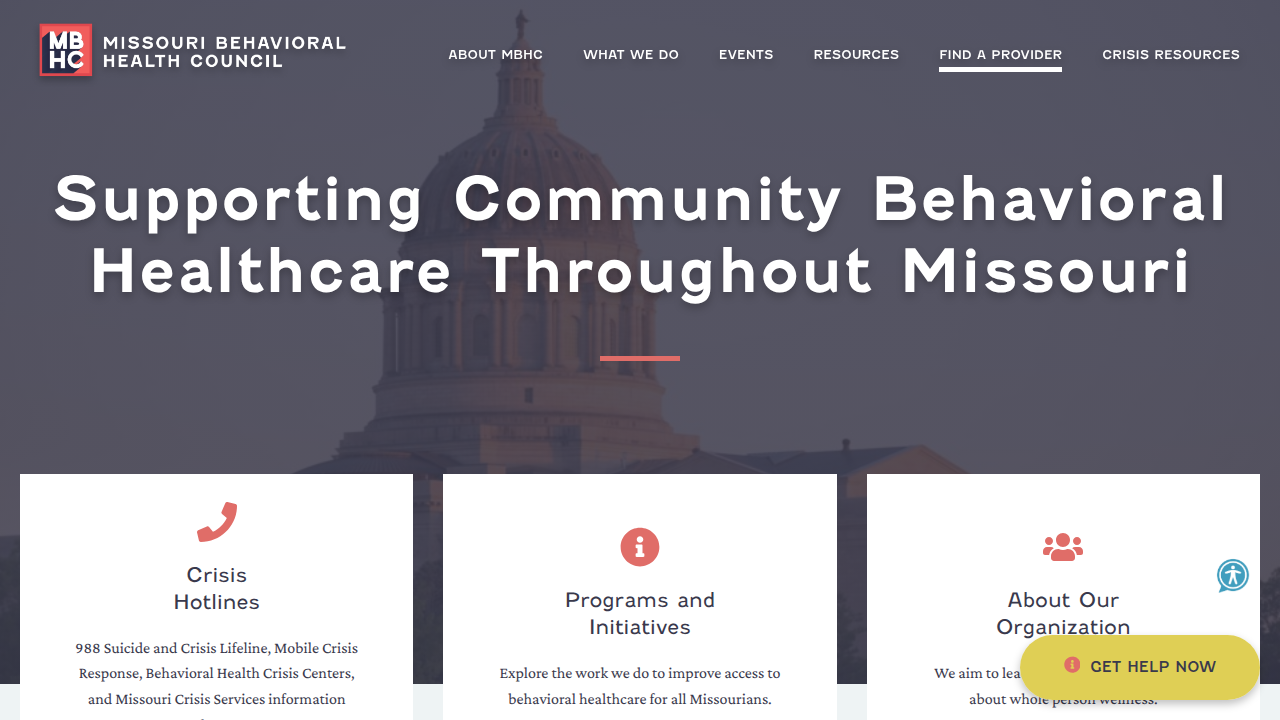
The easiest way to get help quickly is to call or text 988. This is the Suicide & Crisis Lifeline, and it’s free and private. When you call 988, you’ll talk to someone who understands and can help you through the crisis, no matter what you’re feeling or why you’re calling. The 988 service provides fast support for anyone in crisis at any time Get Help Now – Missouri Behavioral Health Council.
Sometimes, talking on the phone might not be enough. That’s when mobile crisis teams can step in. These teams are made up of trained mental health professionals. They can come to where you are, like your home or another safe place in the community. They help people through their crisis right there and work to make things stable again Crisis Services | dmh.mo.gov – Missouri Department of Mental Health. The Missouri Department of Mental Health supports these teams across the state to make sure help is available. You can learn more about how Missouri’s mobile crisis network helps people How does Missouri’s 988 mobile network impact mental health?.
These crisis services are mainly for immediate help to keep you safe. They are for short-term support. After the crisis is handled, it’s important to connect with longer-term care. This could mean seeing a therapist regularly at a behavioral health center or a community health center. They can help you with ongoing support and treatment to manage your mental health over time. Some local services, like those offered by a peninsula behavioral health network or a mental health cooperative, might have their own crisis lines or immediate support pathways too.
Finding the right support in a crisis can be scary, but remember that you don’t have to go through it alone. There are many options in Missouri to get help when you need it most. If you’re looking for different ways to get help that isn’t an emergency, you can check out a Non-Emergency Phone Number List For Depression And Mental Health Crises.
Once the immediate crisis is handled, the next important step is to find ongoing support for your mental well-being. This often starts with understanding how to work with mental health providers, from getting referrals to knowing about your privacy rights.
Working with providers: referrals, confidentiality, and consent in Missouri
Connecting with a mental health provider often begins with a referral. Think of it like this: your family doctor, also known as a primary care provider, might notice you’re feeling down a lot. They might suggest you see a therapist or counselor who specializes in mental health. This suggestion is a referral. Schools can also be a source of referrals if they notice a student struggling and believe professional support would help.
The Missouri Department of Mental Health works with many different clinics and groups across the state to provide care. These can include local behavioral health centers or community health center locations. These centers have trained professionals who can offer therapy, counseling, and other services. Finding the right professional can feel overwhelming, but many resources exist to help you understand the different types of providers available, such as psychiatrists, therapists, and counselors. You can learn more about finding these professionals in a guide to psychiatrists, therapists, and counselors.
When you start talking with a mental health professional, what you share is usually kept private. This is called confidentiality. It is a very important part of building trust between you and your provider. For adults, your health information is almost always private unless you give clear permission for it to be shared. There are some exceptions, like if someone is in danger, but generally, your conversations are safe.
Getting help also means you agree to it. This agreement is called consent. For adults, you give your own consent for treatment. For teenagers, the rules can be a bit different. In Missouri, teens sometimes have rights to get certain mental health services without their parents’ full consent, especially for issues like substance use or specific serious mental health concerns. However, for most ongoing therapy, parents or guardians are involved in the consent process. Places like a mental health cooperative or peninsula behavioral health network are experienced in explaining these rules clearly to teens, adults, and their families. To find out more about how the Missouri Department of Mental Health helps you locate services, you can navigate the Missouri Department of Mental Health to find local mental health services.
Finding a mental health provider is a big step, and knowing what to do next can make it easier. After learning about referrals and how privacy works, your next thought might be, "Okay, what do I actually do?" This part will help you get ready for those first calls and meetings.
Preparing for Your First Call
When you’re ready to reach out to a behavioral health center, a community health center, or even the Missouri Department of Mental Health directly, it helps to be prepared. Think of it like making a shopping list before you go to the store.
Here’s a quick checklist for your first call:
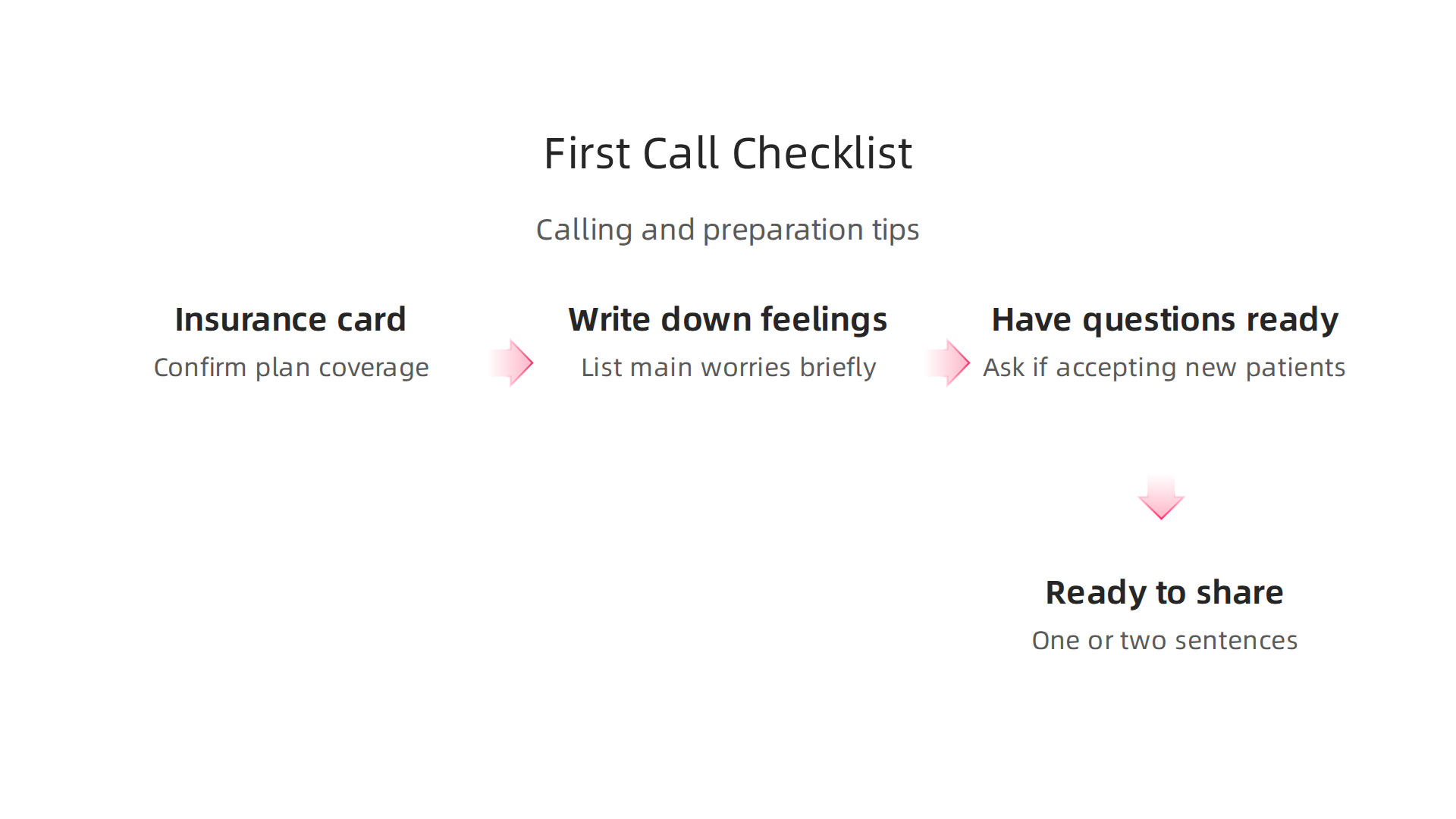
- Have your insurance card ready. You’ll want to ask about what your plan covers. If you need help understanding costs, you can learn more about how to navigate mental health insurance billing and afford therapy in 2026.
- Write down what you’ve been feeling. A short list of your main worries or symptoms will help the person you’re talking to understand your needs.
- Have some questions ready. For example, "Are you accepting new patients?" or "What kind of therapy do you offer?"
- Be ready to share why you’re calling. A simple sentence or two about why you need help can get things started.
Some places, like SSM Health, have a special admissions line to help people get started with services. They make accessing care simple through a call center with trained staff who can help guide you to inpatient or outpatient options, as highlighted by Central Intake Line | SSM Health. If you’re looking for general mental health support numbers, you can also check out a non-emergency phone number list for depression and mental health crises.
Reducing Barriers to Care
It’s normal to face challenges when trying to get help. But there are ways to make it easier, especially for things like getting to appointments, using telehealth, or needing language help.
- Transportation: Getting to appointments can be tough, especially in rural areas. Ask the
Missouri Department of Mental Healthor your chosenmental health cooperativeif they know about local transportation services. Somecommunity health centerlocations might be closer to you or offer special programs. - Telehealth: This means having your therapy sessions over the phone or through video calls on your computer or tablet. It’s a great option if you can’t leave home easily. Many providers in Missouri now offer telehealth services, and rules in 2026 make it easier for people to get care this way, as explained by Missouri State Telehealth Laws – CCHP. Even rural
federally qualified health centersandcertified community behavioral health clinicsare using telehealth to help more people, as noted in A Federally Qualified Health Center and Certified Community Behavioral Health Clinic Partnership in Rural Missouri. - Language Access: If English isn’t your first language, don’t worry. When you call, ask if they have staff who speak your language or if they can provide a translator. Mental health services want to help everyone.
Tips for Caregivers
If you’re helping a loved one, like a child or an elder, remember you can assist with these steps. You can help them prepare their questions, gather needed documents, and explore options like telehealth. Just make sure you have their permission to talk to providers about their care.
Are you feeling emotionally drained from the pressures of life? Sometimes, these feelings aren’t just personal. Check out our resources for support. Feeling Emotionally Drained?
Summary
This guide explains how the Missouri Department of Mental Health (DMH) connects people to local mental health services and how you can use that system to get help in 2026. It describes the DMH’s main divisions, how regional offices and local partners (like community mental health centers and behavioral health clinics) deliver services, and practical steps to find nearby providers using DMH directories and regional maps. The article covers how to pay for care—including MO HealthNet (Medicaid), state-funded programs, and sliding-scale fees—what to do in a crisis (call or text 988 and access mobile crisis teams), and how referrals, confidentiality, and consent work in Missouri. It also gives a simple checklist for first calls, tips to reduce common barriers (transportation, telehealth, language), and advice for caregivers so you can confidently find the right care for yourself or a loved one.